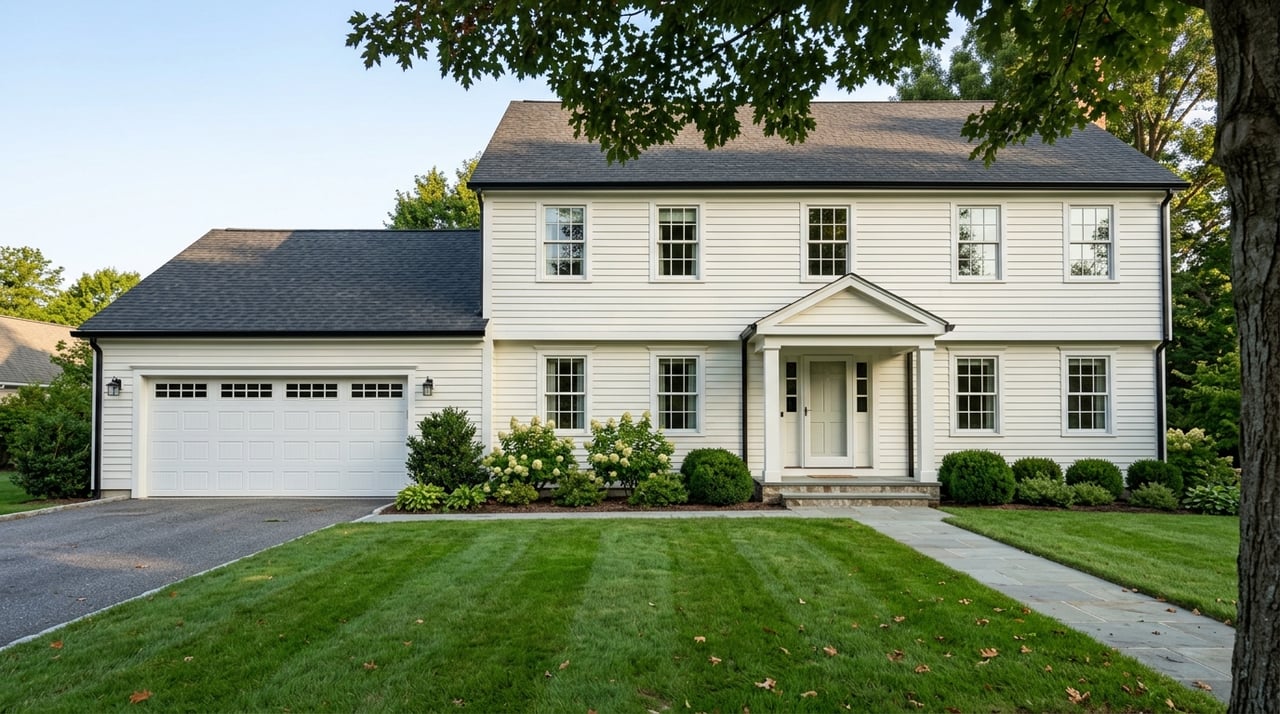
Suffield CT Neighborhoods Overview for Home Buyers
June 11, 2026
June 11, 2026
If you have started looking at homes in Suffield, you have probably noticed something quickly: this town does not fit into a simple list of subdivision names. Instead, Suffield feels like a collection of distinct settings, from a village-style historic center to open rural roads and river-adjacent parcels with extra land-use considerations. If you want to choose the right area for your lifestyle and avoid surprises during your search, this guide will help you compare Suffield neighborhoods and homes in a practical, buyer-friendly way. Let’s dive in.
A practical way to understand Suffield is to focus less on subdivision branding and more on setting, lot size, and land-use rules. According to the town, Suffield is especially adapted to residential and agricultural purposes, and its zoning map reflects that mix.
Across town, residential districts range from smaller-lot zones like R-11, R-15, R-20, and R-25 to larger-lot areas like R-45 and R-90. There are also village districts, a Farmland Preservation zone, and a Connecticut River conservation overlay. In real terms, that means the experience of owning a home can vary a lot depending on where in town you buy.
For buyers who want the most village-like part of Suffield, the town center is usually the clearest starting point. Main Street anchors the center of town along a 4.3-mile State Scenic Highway, and the town describes this corridor as lined with stately homes, mature shade trees, and a broad mix of architectural styles.
This part of town tends to feel the most compact and pedestrian-oriented by local standards. The town’s economic-development materials describe downtown as the heart of Suffield, with shops, restaurants, and events that support a walkable feel.
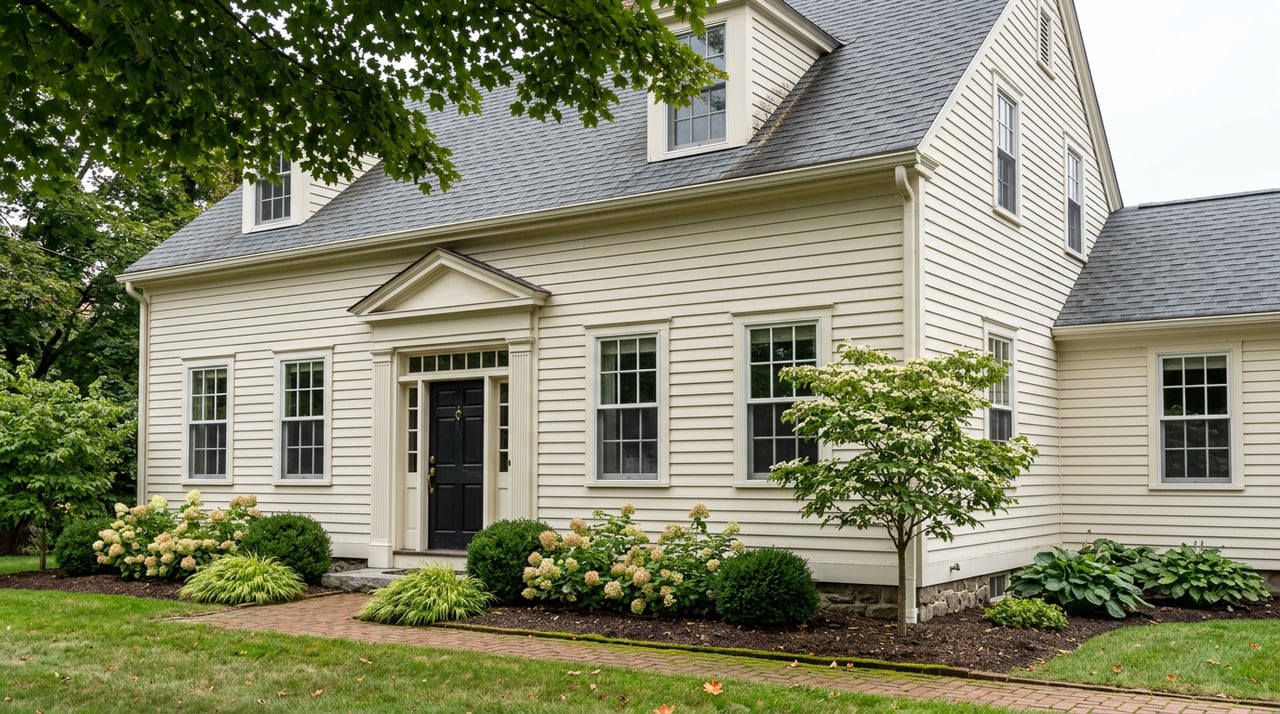
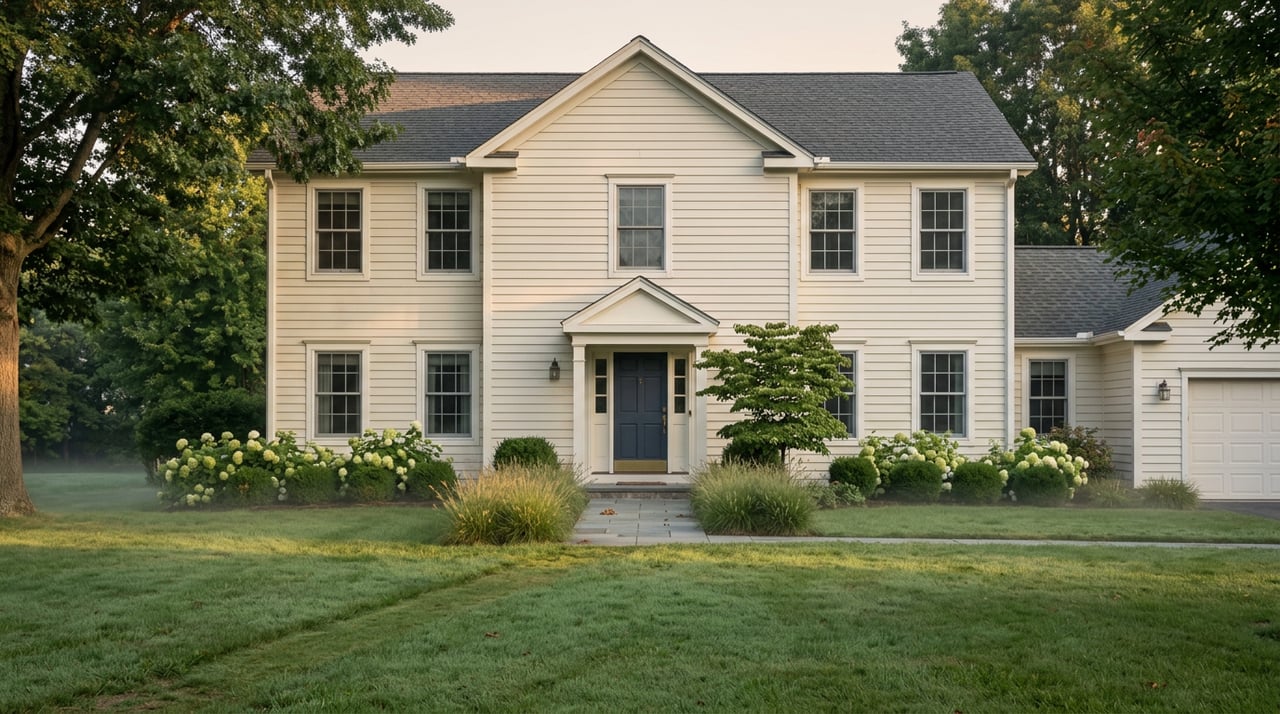
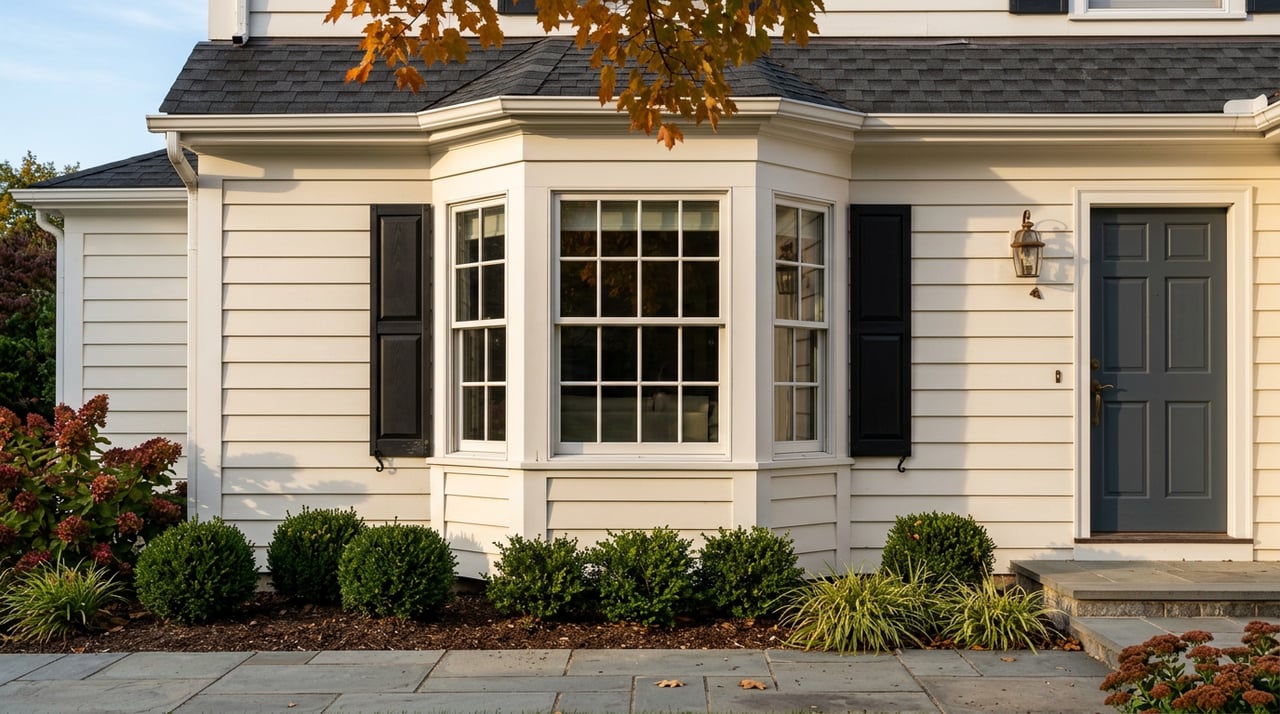
Homes in and around the center often reflect the town’s long history. The Main Street historic district includes Colonial, Georgian, Federal, Greek Revival, Italianate, Romanesque Revival, Second Empire, Beaux Arts, Colonial Revival, and Modern architecture, according to the town’s historic-district handbook.
That variety gives buyers more architectural character than you may find in a typical newer neighborhood. You may see homes from very different eras on the same stretch, which can be a major draw if you value charm, streetscape, and individuality.
Suffield has two historic districts: the Main Street / Suffield Street / Mapleton Avenue district and Hastings Hill on Hill Street. Properties in these districts may come with an extra review layer for exterior changes that are visible from the public way.
If you are considering one of these homes, it is smart to ask early about any planned exterior work. Visible alterations, reconstruction, or demolition can require a Certificate of Appropriateness, so buyers should factor that into renovation plans and timelines.
The Town Center Village district is compact by Suffield standards. It uses a 12,000 square foot minimum lot size and 60-foot frontage, and its purpose is to preserve the area’s character, landscape, pedestrian nature, and historic structures while encouraging traditional neighborhood design.
For buyers, that often translates into a more classic village pattern with homes set closer together than in the outer parts of town. If you want a central location and a more connected streetscape, this area may feel like the best fit.
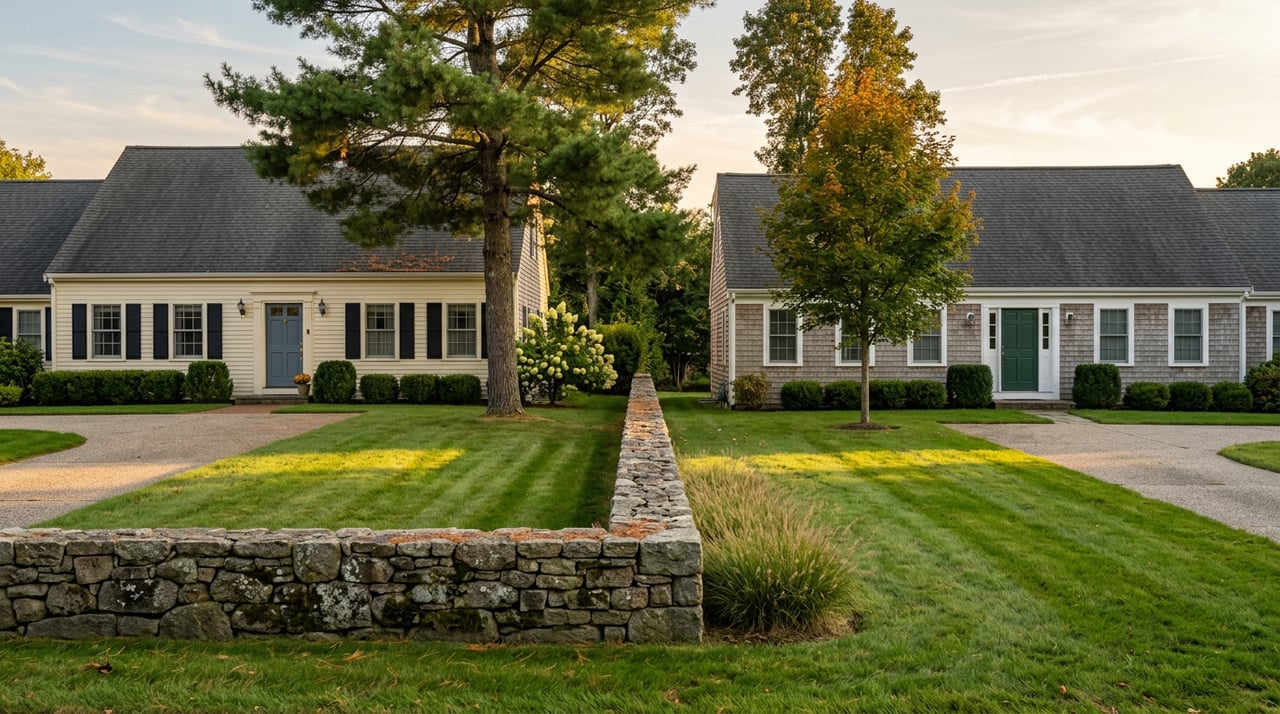
If your ideal home search includes more open land, wider spacing between homes, or a country-road feel, West Suffield and the outer residential areas deserve a close look. These settings often read as more rural, with a broader mix of farm-related land uses, older farmhouses, and later single-family homes.
The West Suffield Center Village district is designed to allow development that meets community needs while preserving rural character. Its standards are more open than the town center’s, with a 30,000 square foot minimum lot size and 125-foot frontage.
A big reason the west side feels more spacious is zoning scale. Larger lot requirements naturally create more distance between homes, broader setbacks, and a less compact pattern than you will see near the center.
The zoning regulations also allow uses such as farms, nurseries, and single-family houses, and in some larger residential districts, horses and other farm-related uses. For buyers, that can mean more flexibility for land use, outbuildings, and privacy, depending on the parcel.
Suffield’s agricultural identity is not just a visual impression. The town reports about 2,200 acres of preserved farmland, about 1,500 acres of protected or managed open space, and about 14% of the town in preserved or protected land.
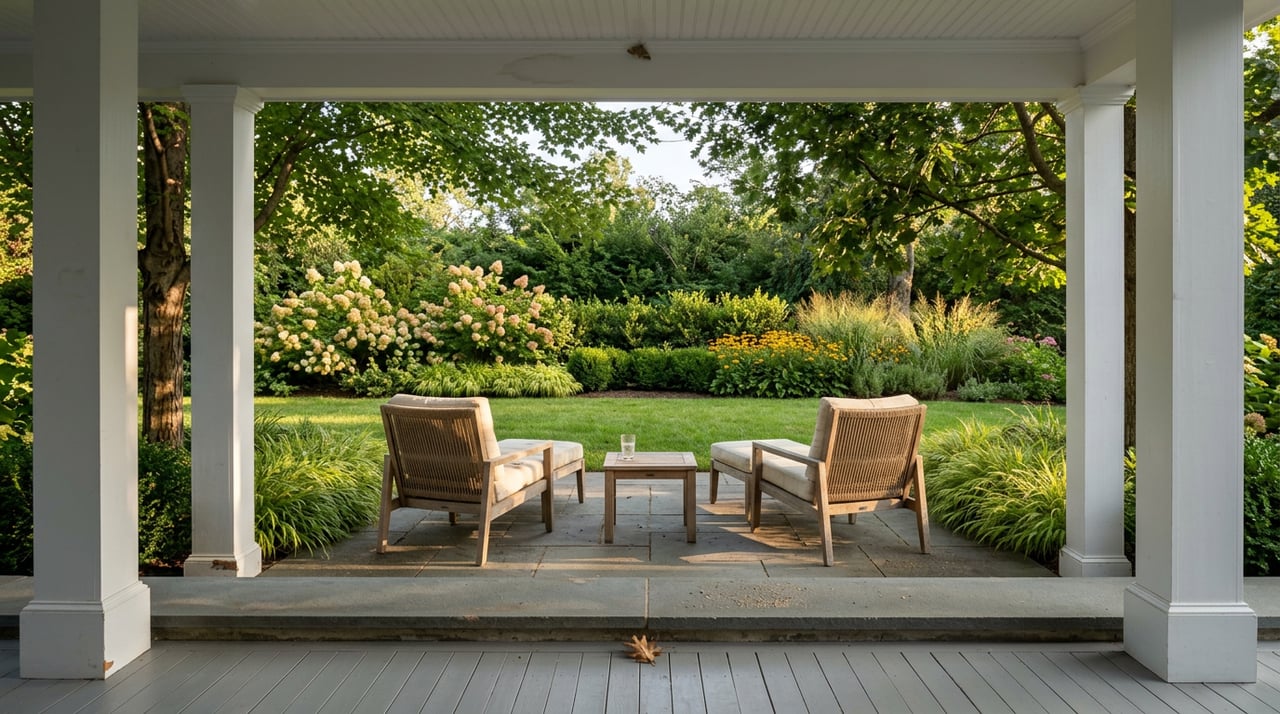
That preserved land helps explain why many areas of town continue to feel open and rural. If you are drawn to scenic roads, agricultural surroundings, and larger properties, this is a major part of Suffield’s appeal.
Hastings Hill is a useful example of a rural-historic setting. The town’s handbook describes it as having a rural country-road feel, and the area includes Greek Revival and early 18th-century architecture.
For buyers who want history without the same village-center feel as Main Street, this type of area can offer a different version of classic Suffield character. It is less about a downtown setting and more about landscape, road pattern, and historic homes in a quieter context.
Some of Suffield’s most visually appealing parcels are near the Connecticut River, but these homes often require more due diligence. The Connecticut River Conservation Zone covers land generally between Route 159 and the Connecticut River, from the Massachusetts line to the Windsor Locks line.
This overlay is intended to protect river water quality, flood-storage capacity, and the river greenbelt. It adds requirements on top of the underlying residential zone, which is important to understand before you buy.
If you are comparing river-adjacent homes, a scenic lot may come with more permitting and verification than an inland parcel. In special flood-hazard areas, the town requires a Floodplain Development Permit before construction or development.
The town also adopts FEMA Flood Insurance Rate Maps by reference for those hazard areas. In addition, the inland wetlands map notes that mapped wetland locations are approximate and need field verification.
These rules do not automatically make a property a poor choice. They do mean you should go in with clear expectations about possible permitting, site limitations, and future project feasibility.
This matters even more if you are thinking about additions, detached structures, grading, or other improvements. The town’s Planning and Zoning page specifically points buyers to lot-buildability guidance for parcels that may be difficult to develop.
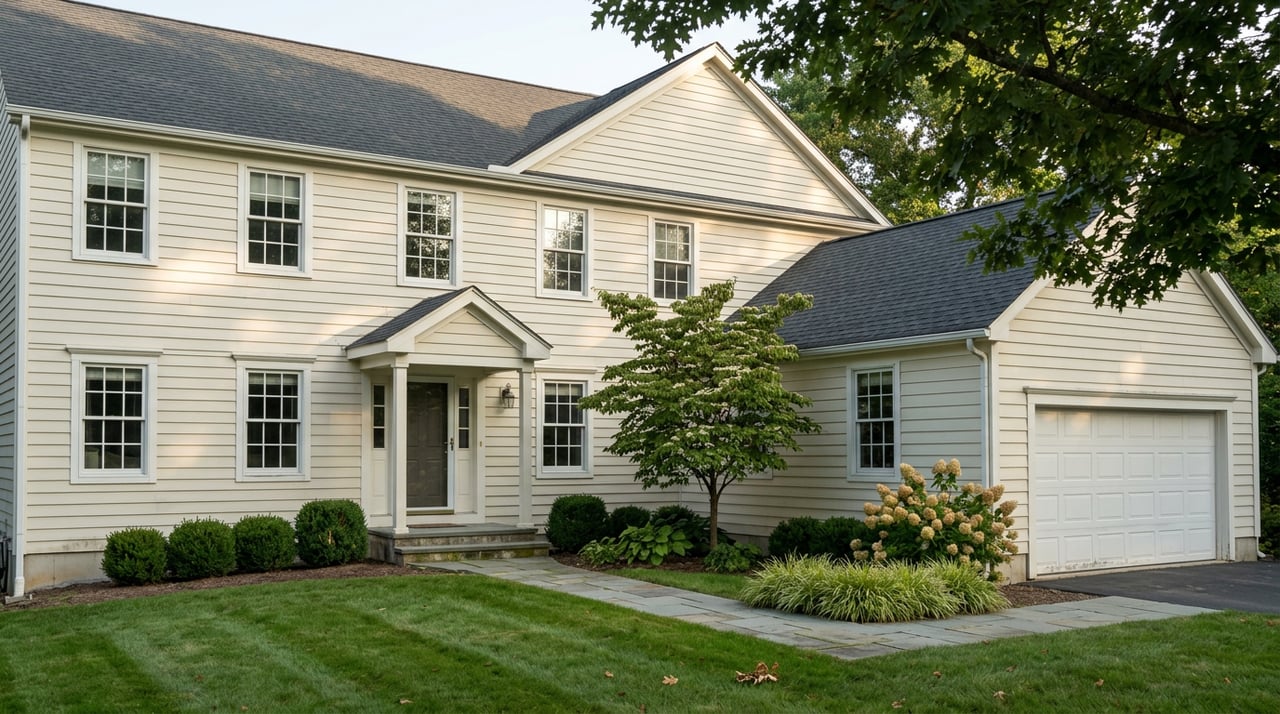
Because Suffield is shaped more by geography and zoning than by tightly branded subdivisions, home styles can vary widely across town. You may see everything from historic village homes and classic single-family houses to farmhouses and larger estate-style properties.
That variety is part of what makes the town appealing, but it also means every search should be matched to your goals. A buyer looking for village convenience may not want the same property features as someone prioritizing acreage or a rural setting.
Here is a practical framework to use as you tour homes in Suffield:
| Setting | Typical feel | What to watch for |
|---|---|---|
| Town center / Main Street | More village-like, historic, compact by local standards | Historic-district review, smaller lots compared with outer areas |
| West Suffield / outer areas | More open, rural, agricultural character | Larger lots, broader setbacks, mixed property types |
| River-adjacent corridors | Scenic, natural, lower-density feel | Floodplain, wetlands, and overlay-related due diligence |
One useful zoning detail for many buyers is the town’s accessory dwelling unit allowance. Suffield permits one accessory dwelling unit on each owner-occupied single-family lot, up to 30% of the principal dwelling or 1,000 square feet, whichever is smaller.
The regulations also state that no additional driveway cuts are allowed. This can be relevant whether you are looking in a village setting, a rural area, or a river-side location, especially if flexibility is part of your long-term plan.
When you search for a home in Suffield, it helps to narrow your priorities before you fall in love with a specific property. In this town, the biggest differences often come down to lot size, historic status, and natural-resource constraints.
Ask yourself a few practical questions:
Those answers can help you focus quickly and avoid wasting time on homes that do not fit your goals. In a town like Suffield, that kind of clarity can make your search much more efficient.
Suffield is easy to appreciate, but it is not always simple to interpret at first glance. Two homes at similar price points can come with very different lot characteristics, district rules, and long-term flexibility depending on where they sit.
That is why local guidance matters here. A buyer who understands the difference between village zoning, rural lot patterns, and river overlays is in a much better position to compare homes confidently and make a smart decision.
Whether you are relocating, moving up, downsizing, or looking for land with specific potential, a practical neighborhood lens can help you buy with fewer surprises. If you want help narrowing the right area, comparing properties, or understanding how a specific location may affect your plans, reach out to Romina D'Angelo for knowledgeable, hands-on guidance in Suffield.

Romina has represented both sellers and buyers, her clients have come to depend on her considerable expertise and market knowledge.