Thinking about moving in Suffield but not sure when to jump in? In New England, the calendar and the weather often matter as much as the market. When you time your sale or purchase well, you can reduce days on market, improve negotiating power, and make your move smoother. In this guide, you’ll learn how each season shapes listings, pricing, and logistics in Suffield, plus practical strategies tailored to our local market. Let’s dive in.
What seasonality looks like in Suffield
Suffield follows the classic New England rhythm. Spring brings the most listings and the most showings, summer carries strong demand, fall tapers but remains active, and winter is the quietest. Because Suffield is a smaller town with a heavy single-family mix, a few listings can shift months’ supply more than you might expect. That means seasonal swings can feel sharper here than in larger metro areas.
Spring: the prime listing window
From March through May, new listings and buyer activity rise as the weather improves. Families aiming for a summer move often start shopping now, which shortens days on market and supports stronger sale-to-list ratios. Curb appeal improves with spring bloom, which can boost first impressions for homes with yards and outdoor spaces. If you list in spring, expect more competition from other sellers, so presentation and pricing matter.
Summer: strong demand and summer closings
June through August stays busy as spring contracts close and families finish moves before the next school year. Inventory can still be healthy, giving buyers a broader selection. Some buyers leave town for vacations, which can shift showing schedules, but motivated shoppers remain. Sellers should plan ahead for peak-season logistics, including appraisals and movers.
Fall: motivated buyers, lighter competition
September through November brings a measured slowdown, but not a stop. Buyers in fall are often relocating for work or wrapping up before year end, so they tend to be focused. With fewer new listings than spring, well-prepared homes can stand out. Shorter daylight can limit showing windows, so scheduling matters more.
Winter: lowest volume, focused opportunities
December through February sees the fewest listings and showings due to cold, snow, and shorter days. Buyers who are active tend to be serious, which can help motivated sellers negotiate clean terms. Exterior photos and inspections can be trickier, and weather can delay certain repairs or closings. If you are buying, you may see more room to negotiate, but you will have fewer homes to choose from.
Local factors that shape timing
School calendar and family moves
Suffield’s family-driven demand often clusters around school schedules. Many households target late spring offers and early summer closings so moves line up with summer break. This dynamic creates a clear bump in activity from March through July.
Weather, staging, and curb appeal
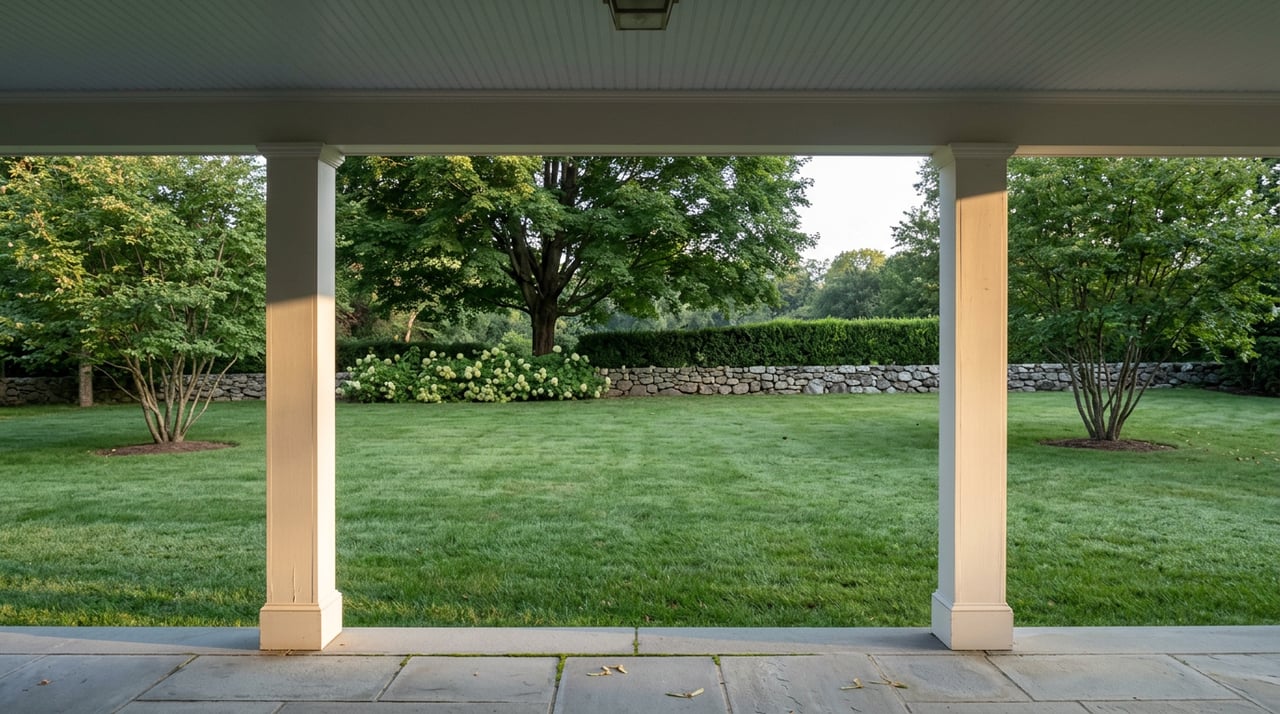
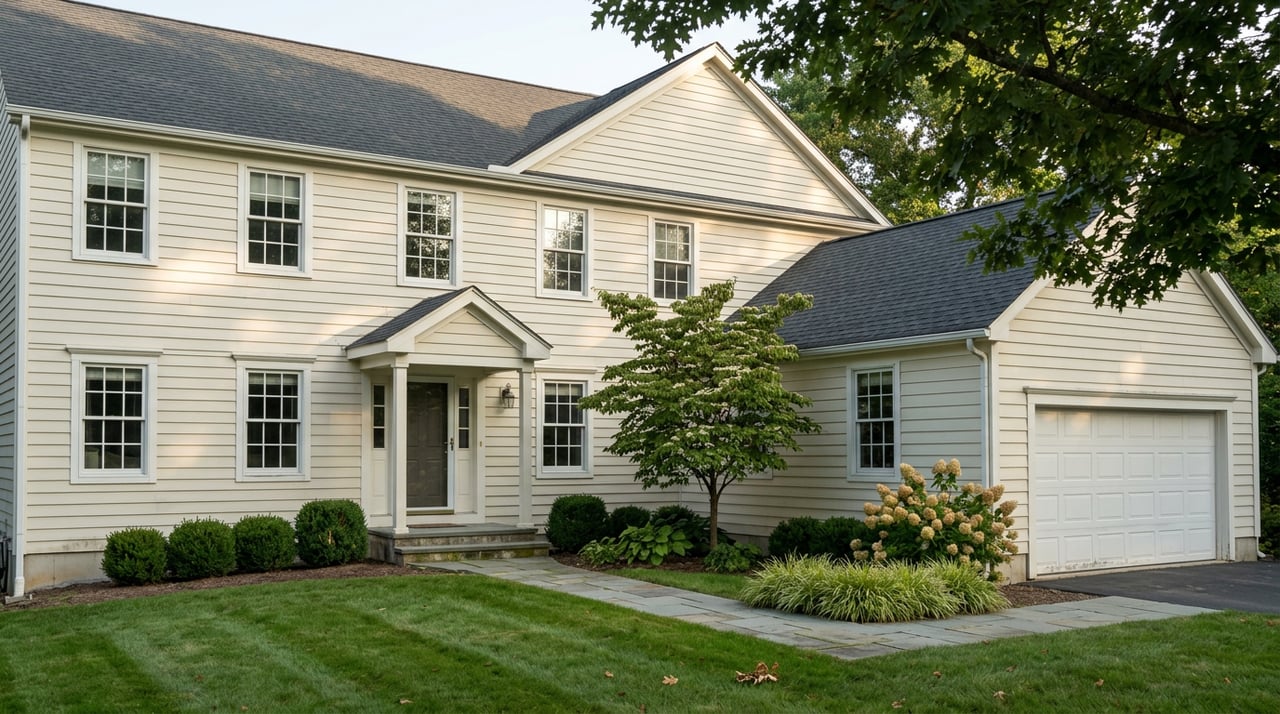
Cold and snow limit curb appeal in winter. In contrast, lawns and landscaping show best April through June, which can lift perceived value for single-family homes with larger lots. For older properties or homes with extensive outdoor features, seasonal presentation can be especially important.
Commute access and steady demand
Proximity to I-91 and Bradley International Airport keeps commuters and regional buyers in the mix year-round. Even with winter slowdowns, commuters with job timelines can sustain demand through off-peak months.
Property types and inspections
Historic homes and rural lots sometimes require weather-dependent checks, like septic or well inspections. Winter conditions can delay or complicate these steps. Planning early and building flexibility into your contract timeline helps avoid last-minute surprises.
The data to watch in Suffield
To understand seasonal patterns, track monthly data for at least three years. If you want a cleaner look at long-run trends, consider adjusting for the pandemic years when activity patterns were unusual. The following metrics reveal the most about timing:
- New listings by month: gauges supply cycles and competition.
- Pending/accepted offers by month: shows real-time demand.
- Median sale price by month: indicates seasonal pricing shifts.
- Median days on market by month: highlights speed to sale.
- List-to-sale price ratio by month: signals negotiating pressure.
- Active inventory and months’ supply: shows market tightness.
- Price reductions by month: captures seller pricing stress.
- Closed sales by month: reflects when transactions complete.
- Buyer financing mix by month: cash versus financed can influence winter dynamics.
- Segment by price band: entry-level versus luxury can move differently.
If you visualize the numbers, compare 12-month averages and spring versus winter averages. A line chart for new listings and days on market can help you decide whether to list into rising demand or buy into a softer phase.
Seasonal strategy for sellers
Spring listing (March–May)
- Pros: Highest foot traffic and online views, strong curb appeal, faster sales if priced well.
- Cons: More competing listings, which puts pressure on presentation and pricing.
- Tactics: Start prep in late winter. Declutter, handle repairs, refresh paint, and schedule pro photos when landscaping pops. Build in flexible showing windows to capture momentum.
Summer listing (June–August)
- Pros: Plenty of active buyers and school-aligned move dates.
- Cons: Vacations can slow some showings, and heat can limit daytime activity.
- Tactics: Highlight cooling systems and outdoor living. Coordinate showing schedules around holiday weeks. Keep lawns green and tidy.
Fall listing (September–November)
- Pros: Less competition and often decisive buyers driven by job or tax-year timelines.
- Cons: Dimming curb appeal and fewer daylight hours for showings.
- Tactics: Focus on interior comfort and lighting. Capture photography with early foliage if the property benefits. Price to meet the market and attract motivated buyers.
Winter listing (December–February)
- Pros: Minimal competition and serious buyers in the pool.
- Cons: Weather challenges for showings, inspections, and repairs.
- Tactics: Stage for warmth, invest in top-tier interior photography and virtual tours, and keep walkways and driveways clear. Allow extra time for weather-related tasks.
Seasonal strategy for buyers
Winter buying
- Opportunities: Smaller buyer pool, motivated sellers, and potential for favorable terms.
- Challenges: Tight inventory and slower logistics for inspections or repairs.
- Action steps: Get pre-approved, stay flexible on timing, and be ready to act when the right home appears.
Spring buying
- Opportunities: More listings and more variety to choose from.
- Challenges: Strong competition and faster offer timelines.
- Action steps: Have full pre-approval, your documents in order, and clarity on your top non-negotiables. Consider strategies like flexible closing dates to stand out.
Summer buying
- Opportunities: Carryover inventory from spring keeps choices broad.
- Challenges: Pricing can stay tight in desirable areas, and movers book up fast.
- Action steps: Lock in pre-approval, book movers early for July and August, and watch for price adjustments on listings that missed in spring.
Fall buying
- Opportunities: Motivated sellers and room to negotiate on price or terms.
- Challenges: Fewer options as inventory thins.
- Action steps: Stay alert for well-priced new listings and monitor homes that return to market after summer.
Negotiation and logistics by season
- Inspections: In winter, schedule septic and well tests early and allow time for snow removal. In spring, inspectors book up; get on the calendar fast.
- Appraisals and repairs: Cold weather can delay exterior work. Build flexibility into closing dates.
- Moving: Summer is peak demand. Reserve movers 6 to 8 weeks ahead for July or August.
- Pricing approach: In spring, competitive pricing can draw multiple offers. In winter, realistic pricing helps attract focused buyers and keep momentum.
When mortgage rates change the script
Rates can amplify or dampen seasonal swings. Falling rates can boost spring and early summer demand, making competition sharper. Higher rates can cool buyer traffic across all seasons. No matter the month, align your plan with current financing conditions and your goals for price versus speed.
How to plan your next move
- Define your top objective: speed, price, or timing around school or work.
- Match your timeline to seasonal realities: spring for exposure, winter for leverage, fall for balance.
- Watch the monthly metrics: new listings, pendings, days on market, and list-to-sale ratio tell you when momentum is shifting.
- Prepare early: staging, pre-approval, and a clear plan make every season easier.
Ready to map the best timing for your goals in Suffield? Get a tailored plan, polished marketing, and hands-on guidance from a local expert who blends boutique service with big-brand reach. Contact Romina D’Angelo to plan your next move with confidence.
FAQs
What month is best to list in Suffield?
- Spring, especially March through May, typically brings the most buyer activity and visibility, though your priorities and current mortgage-rate conditions should guide the final decision.
Do homes sell for more in spring in Suffield?
- Spring demand can support stronger sale-to-list ratios, but there is also more competition from other sellers; outcomes depend on pricing, presentation, and current market conditions.
Is winter a good time to buy a home in Suffield?
- Yes, winter often has fewer competing buyers and more negotiating room, but inventory is leaner and inspections or repairs can take longer due to weather.
How does the school calendar affect timing in Suffield?
- Many family moves are planned around summer break, concentrating listings and demand in late spring and early summer and influencing offer timelines.
What inspections are harder in winter in Suffield?
- Septic and well tests, roof evaluations, and some exterior repairs can be harder or slower in cold or snowy conditions, so plan early and allow extra time.
How should I time my move if mortgage rates are volatile?
- Combine seasonal insights with rate trends: if rates drop, spring and summer competition may intensify; if rates rise, sellers may need sharper pricing and buyers may gain leverage year-round.