How to Stage Historic Suffield Homes Without Losing Charm
December 4, 2025
December 4, 2025
Do you want top-dollar for your antique Suffield home without sanding away its soul? You are not alone. Many buyers love Main Street charm but still expect bright photos, functional kitchens and baths, and confidence in the home’s systems. In this guide, you’ll learn how to stage a historic Suffield property so it feels authentic and move-in ready, using a preservation-minded plan that respects original features. Let’s dive in.
Buyers drawn to Suffield’s 18th- and 19th-century homes look for a blend of authenticity and comfort. They want original details like wide‑plank floors, trim, mantels, and staircases presented cleanly. They also value updated kitchens and bathrooms, better lighting, good flow for entertaining, and visible evidence of maintained systems.
When you prepare to list, focus your photos and description on two things: provenance and practical upgrades. Call out original elements alongside modern improvements such as HVAC, electrical or plumbing updates, insulation, and quality appliances. This balance reduces risk concerns and builds trust.
The staging goal in a historic home is to highlight character-defining features while meeting today’s buyer expectations. Use a neutral, period-sensitive palette that lets details shine. Keep interventions reversible where possible: think rental furniture, rugs, slipcovers, hardware swaps, and temporary lighting rather than permanent alterations.
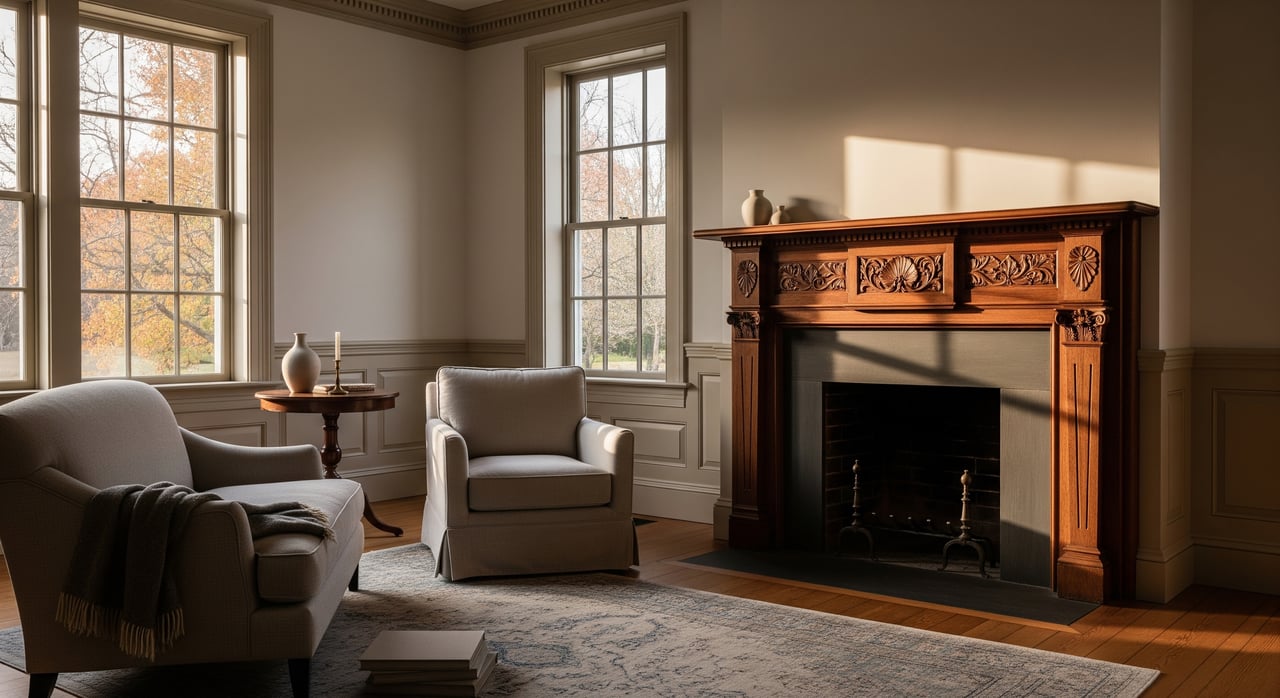
Before you paint or repair, identify elements that make your home special. Examples include original floors, plaster walls, built-ins, fireplaces, and porches. Clean, repair, and light these features so they become the stars of every room.
Historic listings often involve two different frameworks. A home may be in a National Register district, which is typically honorary for private owners, and also within a local historic district where exterior changes can require review. In Suffield, contact Planning & Zoning or the Historic District Commission before altering visible exteriors, signage, windows, shutters, or porches. Interior staging normally does not need approval, but check permits if you plan any construction.
Buyers expect safe, well-maintained spaces. If your home predates 1978, assume lead-based paint may be present. Avoid disturbing painted surfaces unless you are using certified professionals who follow EPA Renovation, Repair and Painting protocols. Ensure smoke and CO detectors function, handrails are secure, and stairs feel sturdy. If you complete any remediation or repairs, keep documentation to share with buyers.
Your foyer sets the tone. Keep sightlines open with one focal piece such as a period-appropriate bench or console. Hang a mirror to bounce light and reveal more of the space. If you use a runner, show off wide-plank floors along the edges to signal quality from the first step.
Arrange seating to frame the fireplace, built-ins, or window seat. Keep walkways clear and avoid blocking doors or moldings. Choose a mix of comfortable sofas and a few light-profile chairs so the room reads inviting, not crowded. Use table and floor lamps with warm LED bulbs to brighten naturally darker rooms.
Size the table to the room and set it simply to suggest real use. If there is an original chandelier, have it cleaned and, if needed, re-wired for safety. If replacement makes sense, select a historically sympathetic fixture that complements the millwork. Keep sideboards tidy with minimal accessories.
Kitchens sell homes, especially historic ones. If original cabinetry is in good shape, refinish and add period-appropriate hardware. Consider discreet under-cabinet lighting and modern appliances that blend rather than dominate. If cabinets need replacement, opt for timeless styles like Shaker that nod to the home’s era. Clear counters to showcase prep space, and stage with a few simple items, like a cookbook and a bowl of fruit.
If opening walls is not feasible, use furniture placement to hint at better flow. A freestanding island or butcher block can create more function without permanent changes.
Aim for bright, clean, and classic. Keep original elements that add charm, such as a clawfoot tub or vintage tile, refinishing or reglazing as needed. Choose white porcelain fixtures and timeless tile patterns for updates. Add brighter lighting and subtle storage like floating shelves or a narrow cabinet to keep surfaces clear.
Create restful, decluttered spaces. Use layered neutral bedding and simple bedside lighting. If rooms are smaller, stage with appropriately scaled furniture and avoid adding desks or workout gear. Show the sleeping function first and highlight any closet solutions.
Stage one secondary room as a flexible space, such as an office, study, or library. Keep it light and streamlined, and conceal extension cords. An attractive desk and a pair of chairs can suggest work and conversation zones without clutter.
These areas often decide how confident buyers feel. Clean thoroughly, address moisture or mildew, and stage storage with clear bins or shelving. If you have a workshop nook or laundry area, make it orderly and well lit. Display documentation of mechanical updates where appropriate.
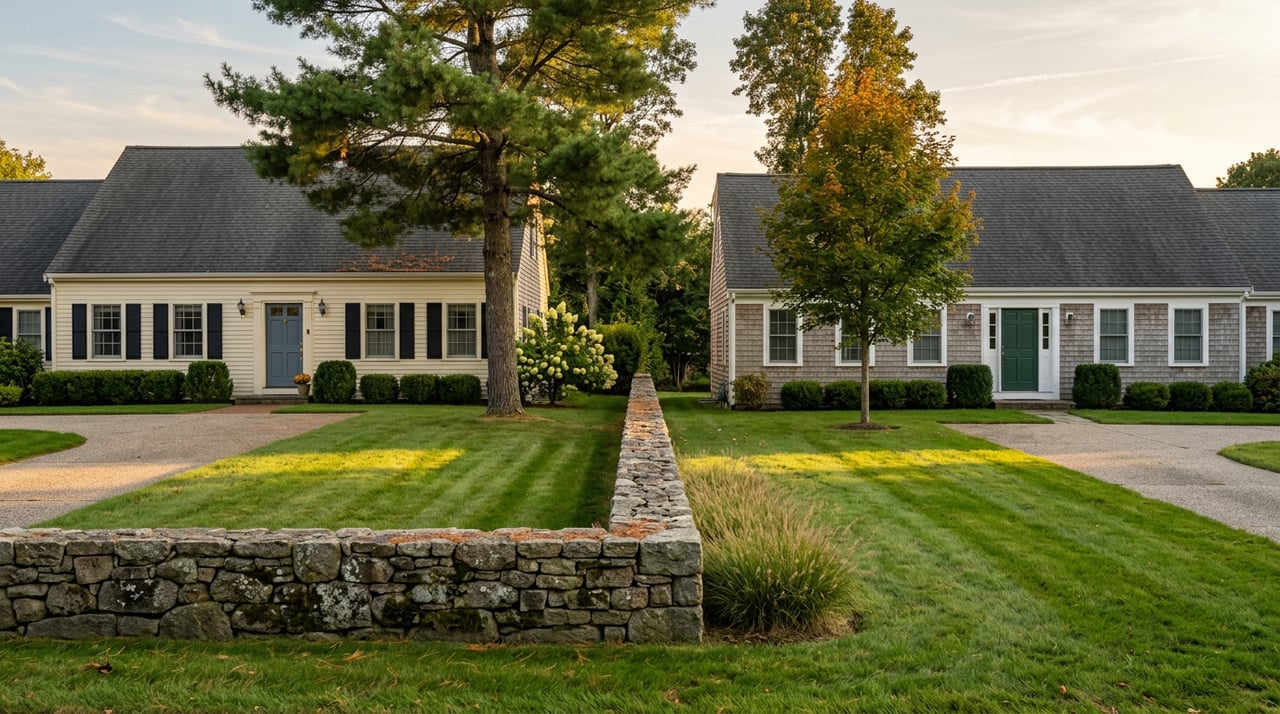
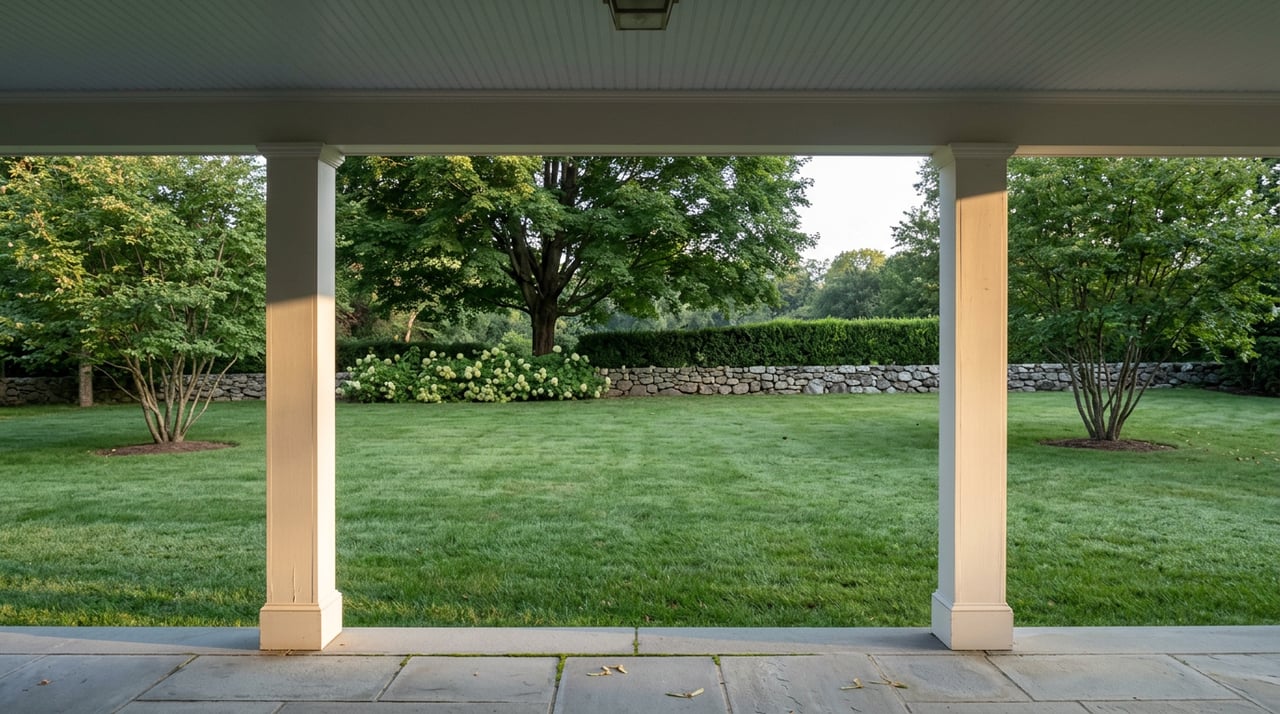
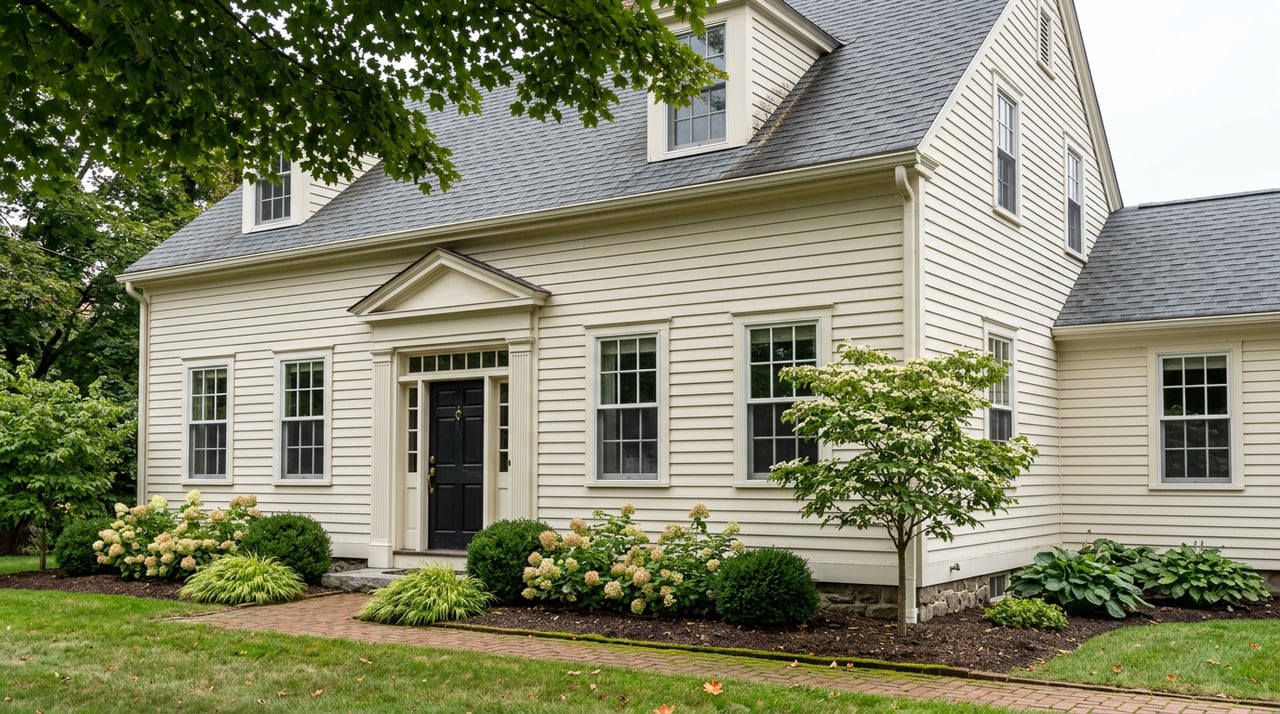
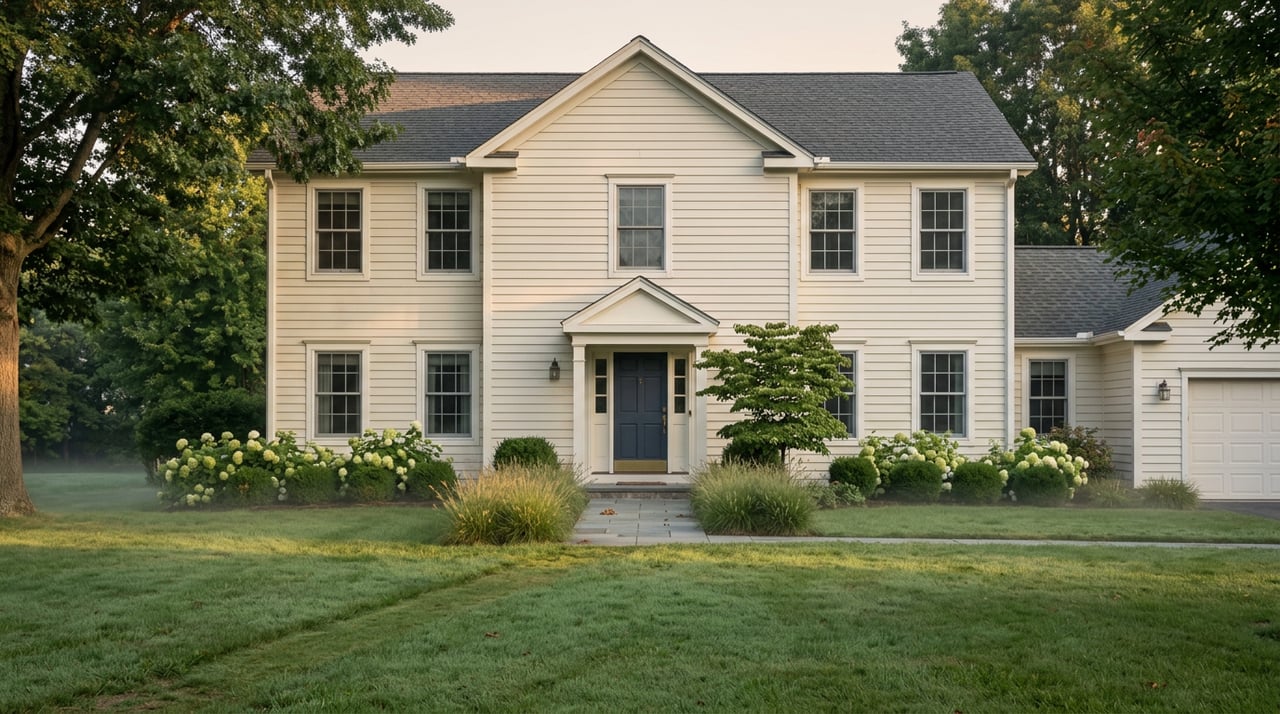
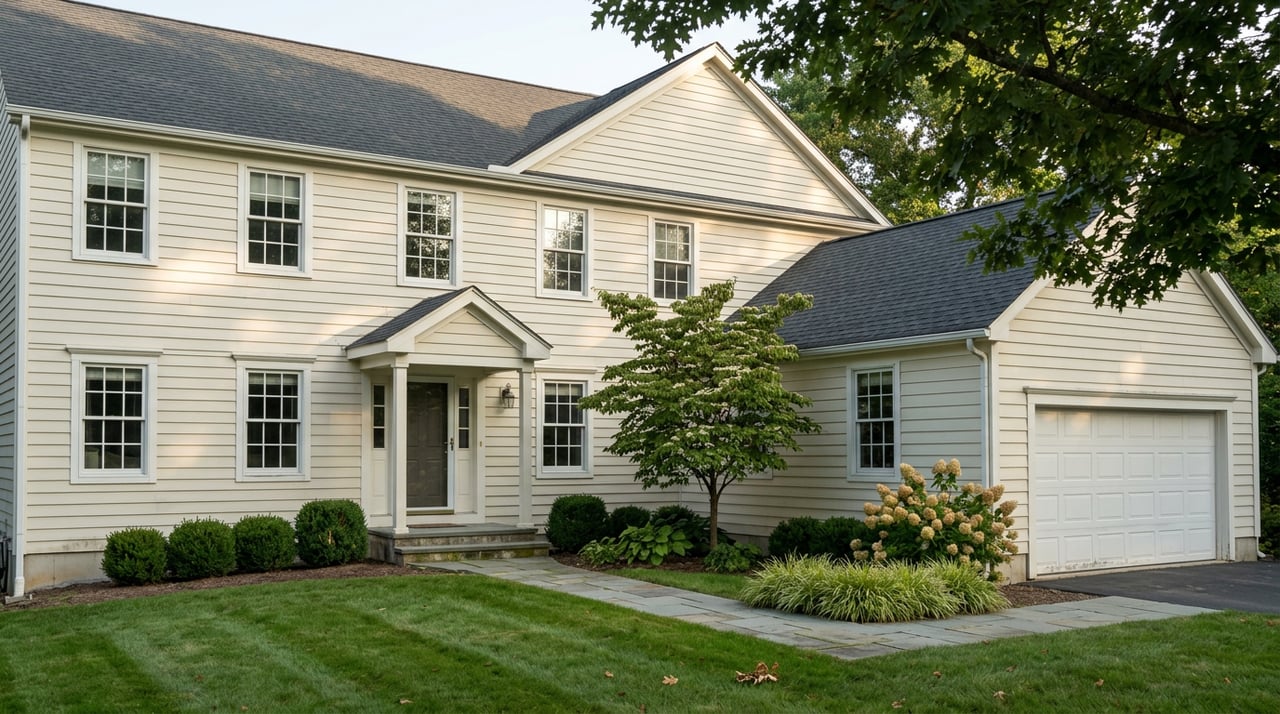
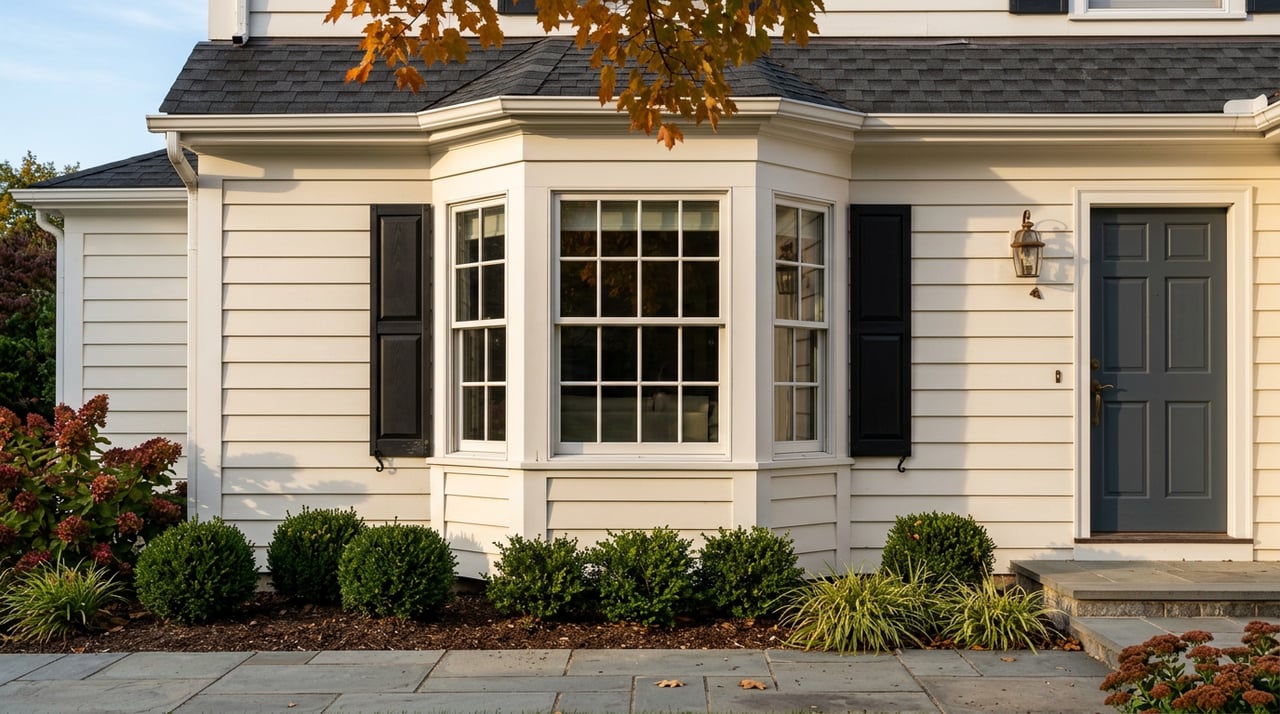
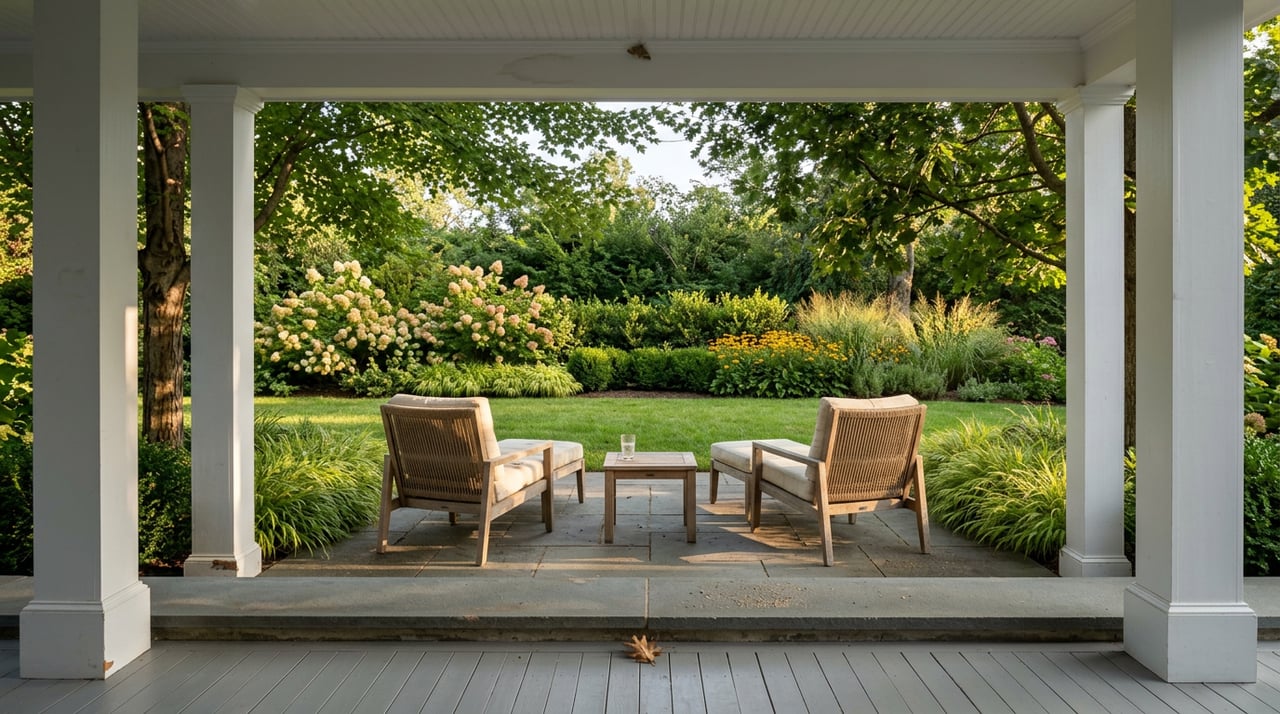
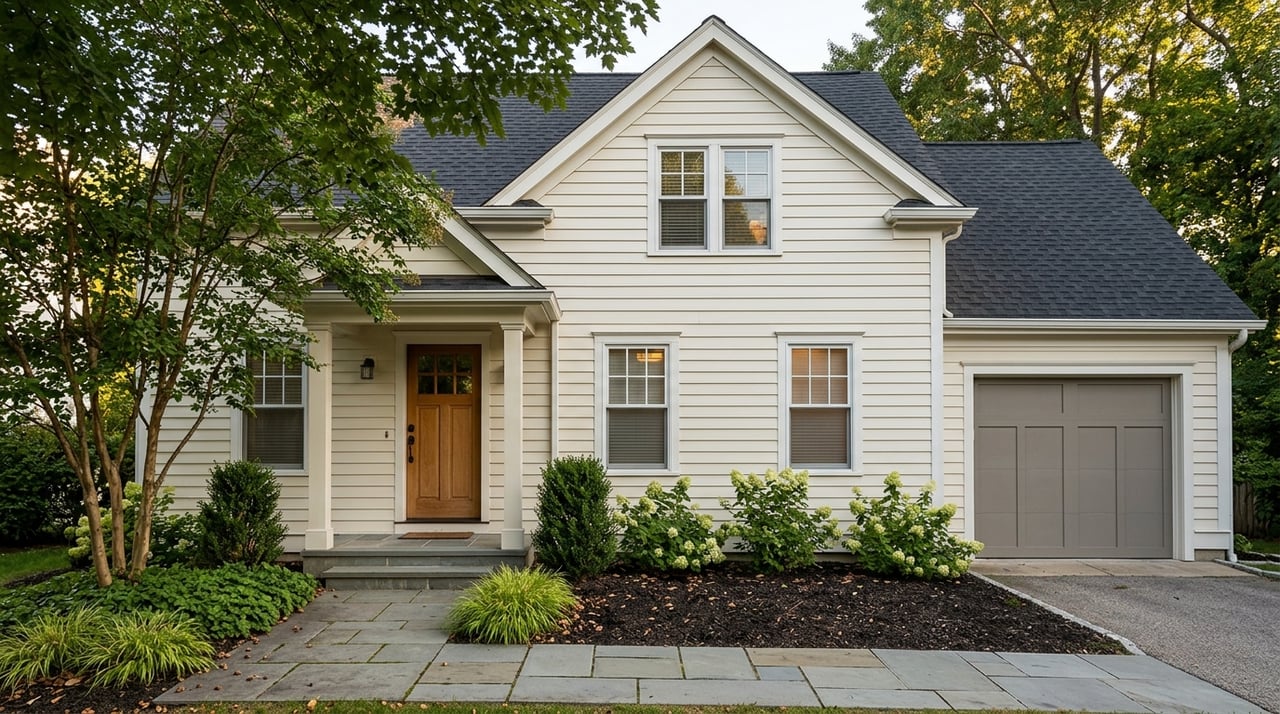
Curb appeal matters. Tidy landscaping, mulch beds, and trim hedges. Repair loose porch boards, tighten hardware, and touch up paint after verifying any applicable historic color guidance. On the porch, place a couple of period-appropriate chairs and a simple planter to suggest relaxed outdoor living.
Original floors are a showpiece. Refinish gently and use area rugs to define seating while revealing as much wood as possible. Choose neutral wall colors that flatter historic trim. Repair cracked plaster and peeling paint to build buyer confidence in maintenance.
Swap failing doorknobs or pulls for period-appropriate replacements when originals cannot be repaired. Rewire unsafe fixtures and add compatible new lighting with warm LED bulbs and dimmers to suit different times of day. Good lighting can transform photos and first impressions.
A few quality antiques can reinforce authenticity. Avoid crowded displays that pull attention from architecture. If certain pieces have provenance connected to the home, include that note in your listing packet, but keep showings visually calm.
Work with a photographer who understands historic interiors. Ask for angles that show scale, natural light, and detail shots of trim, mantels, staircases, and floors. In your description, highlight preserved features and concrete upgrades: original wide-plank flooring, restored mantel, new HVAC, updated electrical, or recent plumbing improvements.
Focus first on fixes that reduce buyer risk: electrical, HVAC, and plumbing. Next, put attention into the kitchen and a primary bath, since function and aesthetics here carry outsized weight. Tidy landscaping and porch repairs improve curb appeal quickly. Fresh paint, better lighting, and small floor or plaster repairs can elevate every room. Keep improvements aligned with the home’s era and neighborhood so you attract the right buyers.
If you need trades, seek professionals with historic-home experience, such as conservation carpenters, historic painters, and plaster specialists. For any work that disturbs painted surfaces in pre-1978 homes, use EPA RRP-certified contractors or licensed abatement pros. Ask for references and examples of previous historic projects, and request documentation of methods and materials.
Buyers feel confident when they see a paper trail. Gather receipts, permits, contractor certifications, and before-and-after photos for any restoration or system updates. Include a brief history of the house if available, noting construction era and notable features. These materials help your home stand out and support your pricing strategy.
When you present authenticity and modern livability side by side, you encourage stronger offers and smoother negotiations. If you would like a tailored staging and pricing plan for your historic home near Suffield’s Main Street, reach out to Romina D'Angelo for hands-on guidance and premium marketing that respects your home’s story.

Romina has represented both sellers and buyers, her clients have come to depend on her considerable expertise and market knowledge.