Suffield Main Street Living: A Historic Neighborhood Guide
February 19, 2026
February 19, 2026
Imagine stepping out your front door to a leafy canopy, stately facades, and a classic New England green just down the road. If you have been picturing a home with history and everyday convenience, Suffield’s Main Street might be your lane. In this guide, you will learn what life here feels like, the kinds of homes you will find, and how the local historic rules work when you are ready to make updates. Let’s dive in.
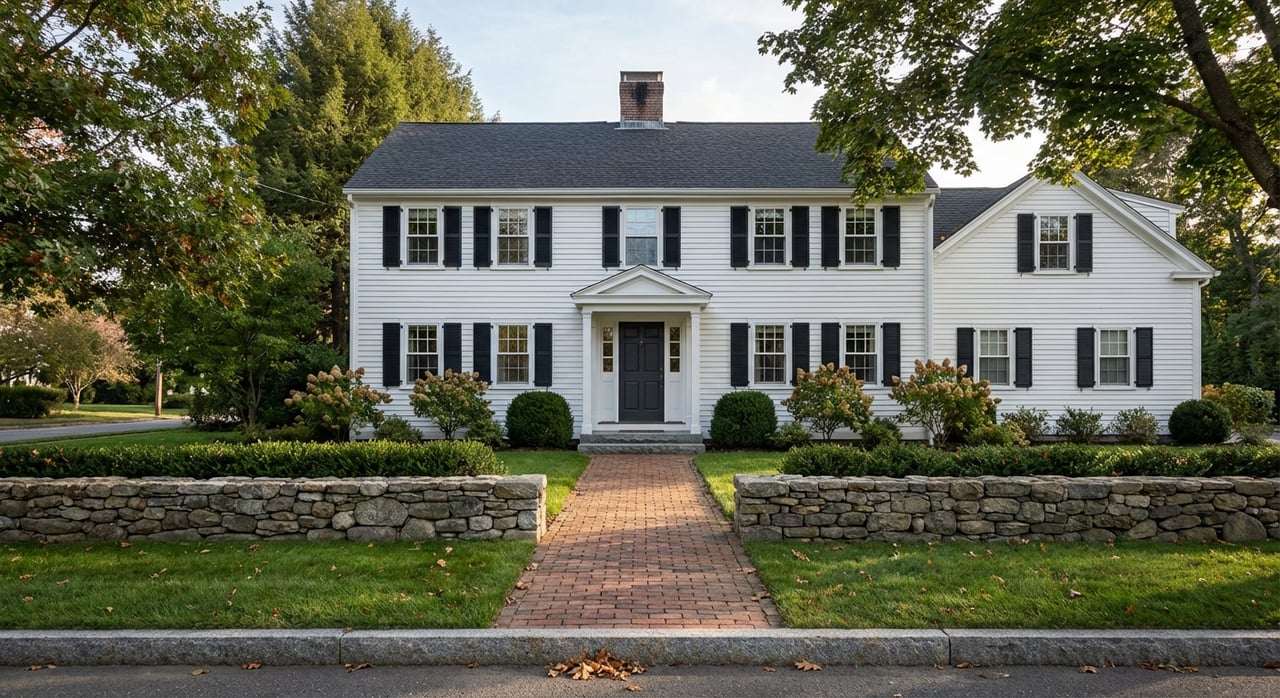
Suffield’s Main Street is a formally recognized historic district that runs along North and South Main. The corridor is listed on the National Register of Historic Places, which highlights its architecture from Colonial through early 20th century styles. You will see a preserved village center with a green, churches, the library, and small shops, followed by long residential stretches of elegant homes.
Living here offers a blend of quiet residential character and easy access to town amenities. The town’s Main Street page describes the village feel and highlights local businesses and seasonal activities. Day to day, you get scenic sidewalks near the green, mature trees, and a streetscape that has been carefully cared for over generations.
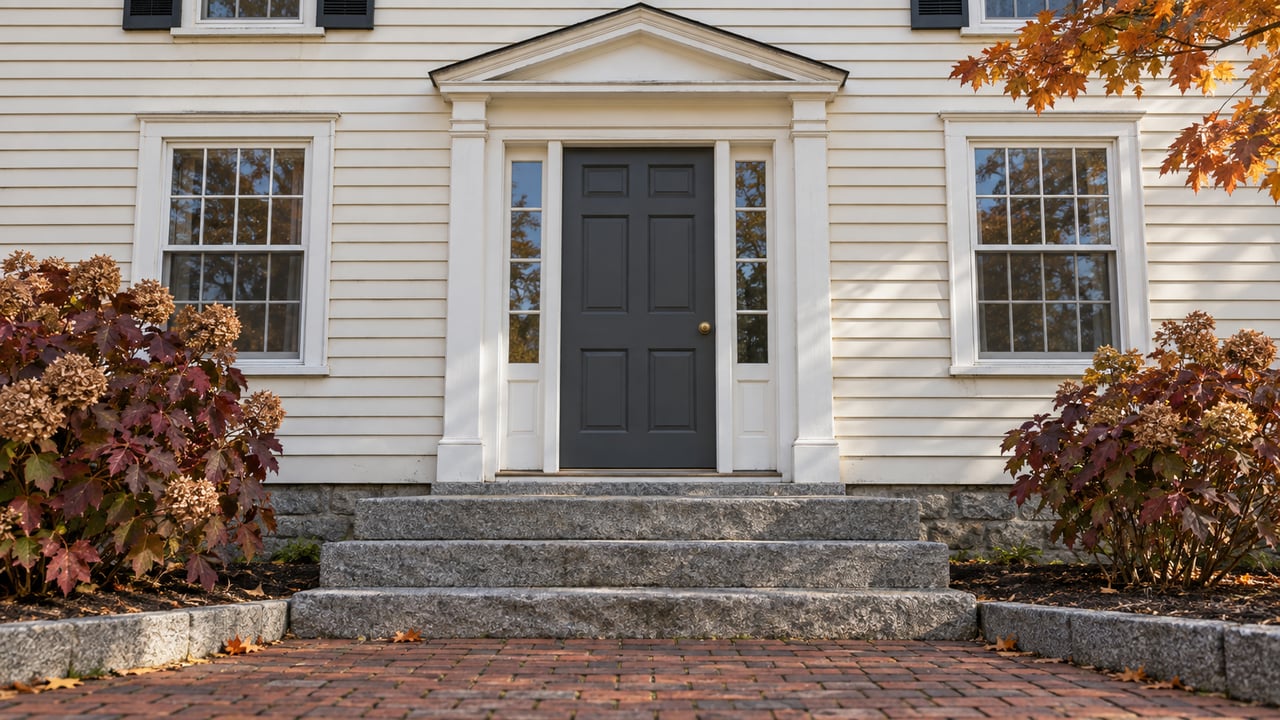
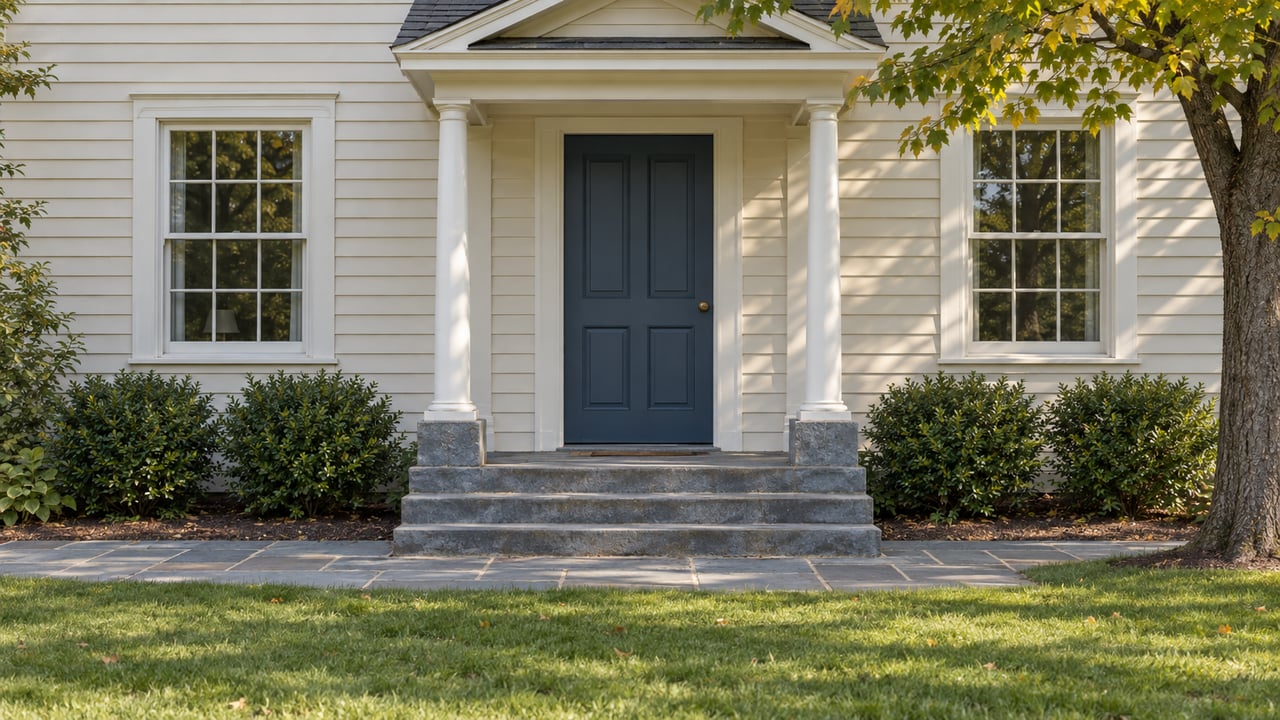
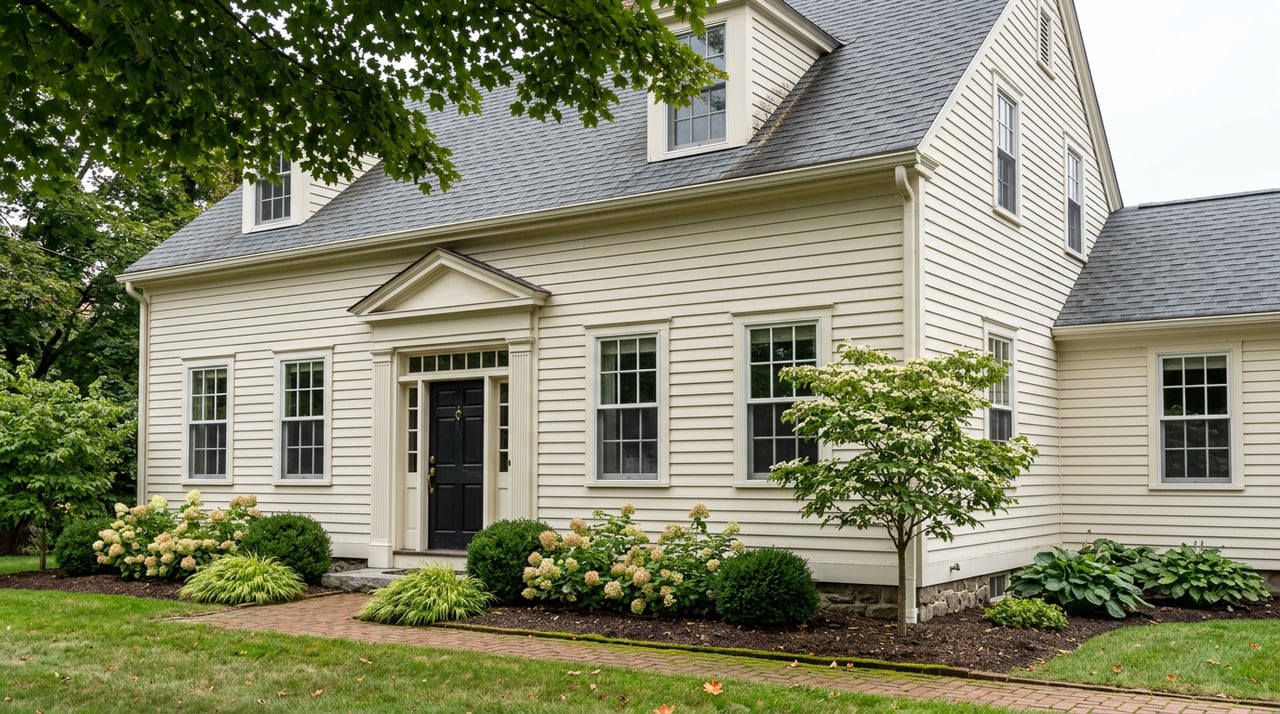
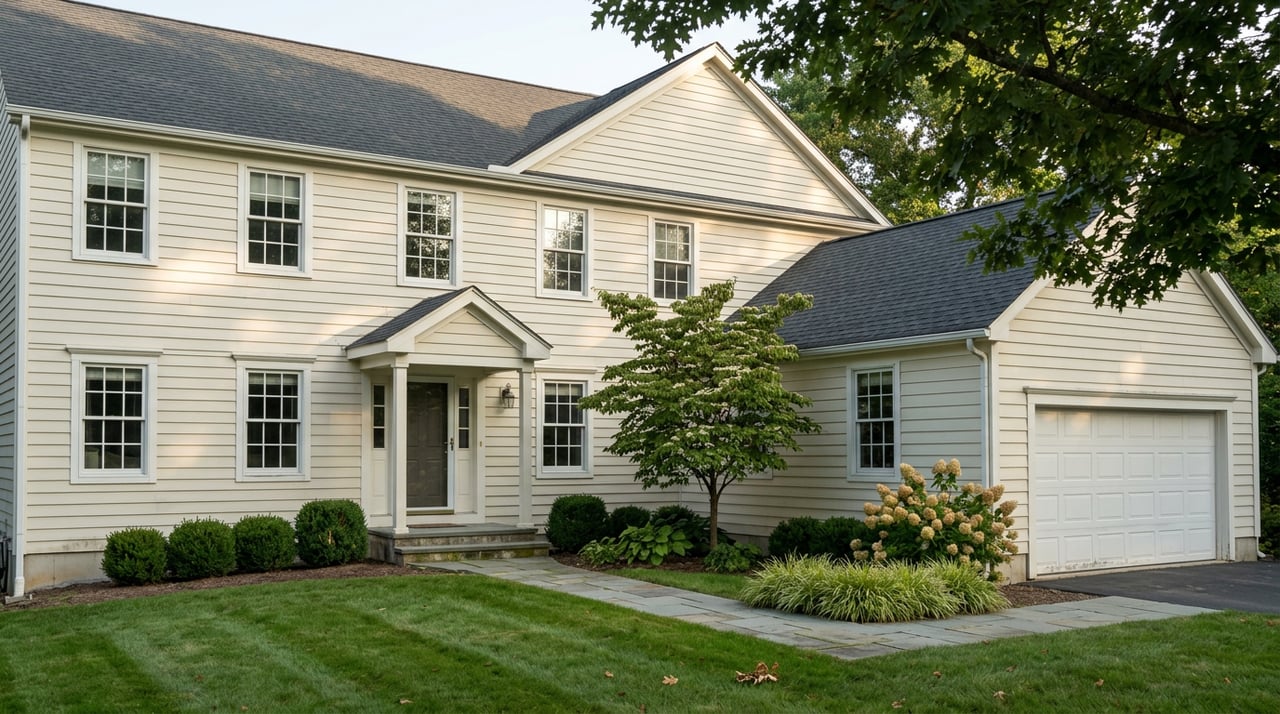
The streetscape is architecturally diverse. Expect Colonial and Georgian houses from the mid 1700s along with Federal, Greek Revival, Italianate, Second Empire, Colonial Revival, and a few later examples near the center. Many homes retain original clapboard siding, period porches, gable or gambrel roofs, and detailed woodwork that define Main Street’s character. For a concise overview of this variety, see the architecturally diverse streetscape summarized by LivingPlaces.
Two house museums on or near Main Street help you experience the area’s history up close. The Phelps-Hatheway House and Gardens offers seasonal tours of an 18th century estate and grounds. The Suffield Historical Society operates the King House Museum, where you can explore period rooms and local collections during posted hours.
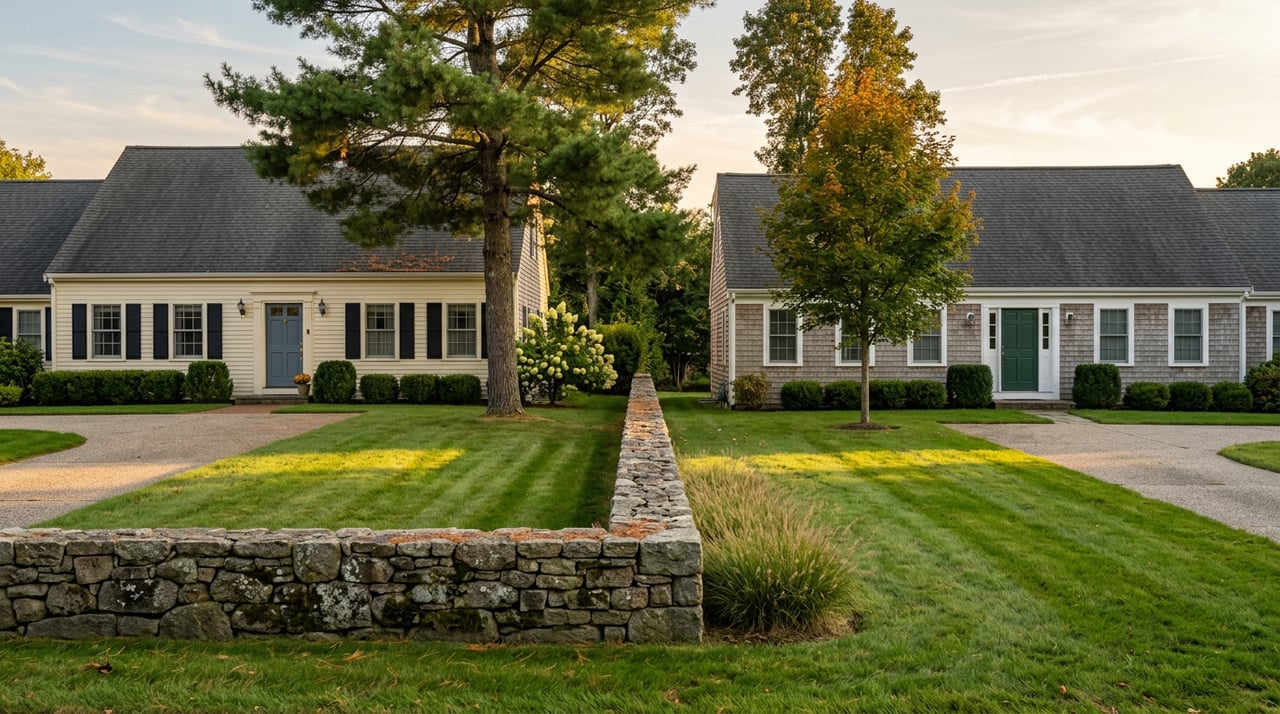
Main Street reads like a classic New England village. The center clusters around the green with civic buildings and churches, then opens into quieter residential blocks lined with stone walls, lawns, and shade trees. The town even tracks a Main Street tree inventory, a sign of long-term care for the street canopy and public realm.
Near the green you will find the library, small shops, and seasonal markets. Community traditions help anchor the year, including the town’s seasonal gatherings and the Historical Society’s signature event, Suffield on the Green. These touchpoints give the street an active, welcoming rhythm.
Main Street connects easily to the broader network. Interstate 91 and Bradley International Airport are nearby, which makes Hartford and Springfield commutes manageable by car. Drive times vary by address and time of day, so plan ahead when you evaluate listings.
You will encounter center-chimney Colonial and Georgian homes, early 1800s Federal and Greek Revival houses, and Victorian era residences with porches and decorative trim. Later Colonial Revival updates and early 20th century homes appear closer to town. Many retain period masonry, clapboards or shingles, and interior millwork that buyers value for authenticity.
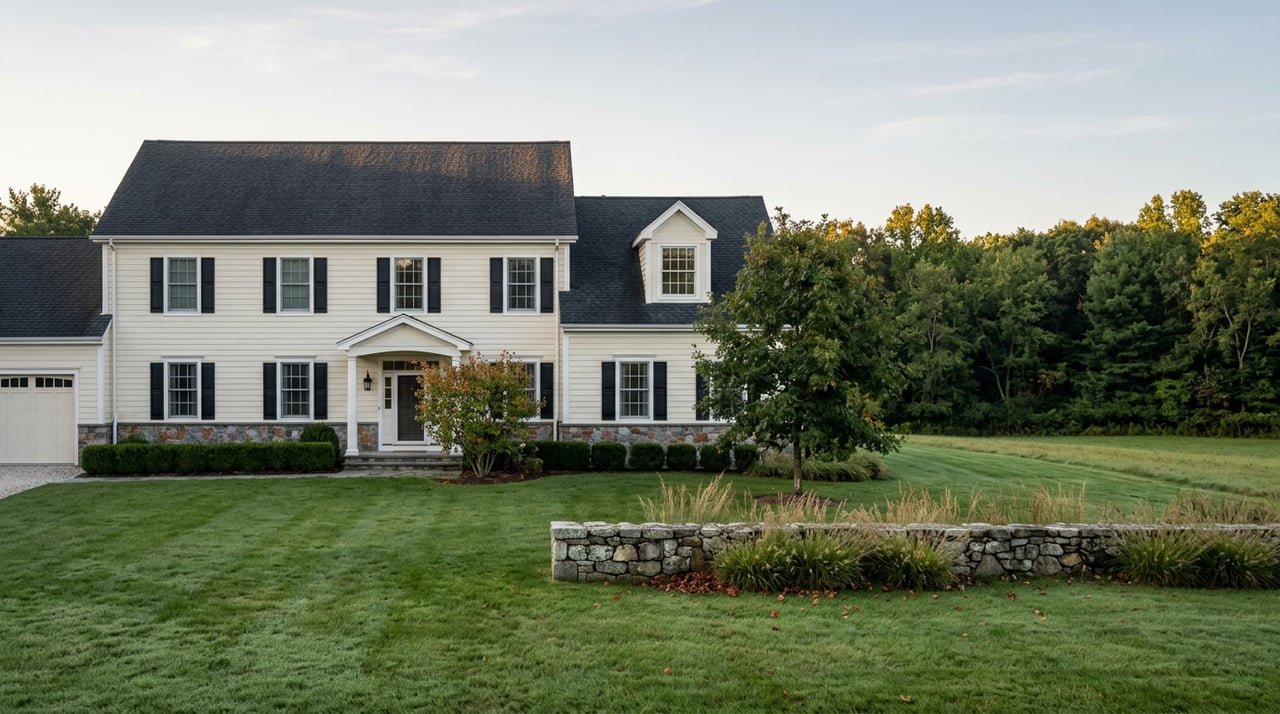
Historic lots often have modest street frontage with significant depth behind the house. This long-lot pattern leaves room for gardens and outbuildings and is part of the traditional layout. On deeper parcels, you may find carriage houses, barns, or adapted tobacco sheds that now serve as garages or studios. The Connecticut Barns database shows examples of these preserved structures.
Expect a calm, residential atmosphere with more foot traffic near the green and quieter stretches farther out. You will likely hear church bells and see neighbors walking to events on weekends. Since parts of the corridor are recognized as a Connecticut State Scenic Road, the roadside character is protected against major alterations, which helps retain the classic look over time.
Main Street properties within the local historic district are subject to design review for exterior work that is visible from the public way. The town’s Historic District Handbook explains what changes require a Certificate of Appropriateness and outlines timelines, materials guidance, and submittal steps. Federal listing on the National Register recognizes the area’s significance, while the local review process is what owners interact with when planning projects.
Historic materials often benefit from repair rather than full replacement. Many owners choose to restore original wood windows, porches, or siding to maintain character and long-term value. For reliable, plain-English guidance, consult the National Park Service Preservation Briefs, which cover best practices for historic repairs and compatible upgrades.
If you love period architecture, mature trees, and a village center that hosts events, Main Street offers a rare blend of charm and convenience. You also take on stewardship, which means planning ahead for exterior work and maintaining original materials where practical. With the right preparation and a clear plan for approvals, you can enjoy a home that feels timeless and works for modern life.
Ready to explore homes on or near Main Street and compare options? Let a local expert guide your search, pricing, and negotiations from start to finish. Find the Home You Deserve — contact Romina D’Angelo to get started.

Romina has represented both sellers and buyers, her clients have come to depend on her considerable expertise and market knowledge.