How to Prepare a Classic Longmeadow Home for Buyers
April 23, 2026
April 23, 2026
If you own a classic Longmeadow home, you may be asking the right question: how do you keep the charm buyers love without making your house feel like a future project? That balance matters in a town known for its long housing history, preservation-minded character, and strong appeal to owner-occupants. The good news is that you do not need to strip away original details to attract today’s buyers. You need to highlight the home’s character, reduce buyer concerns, and present it with care. Let’s dive in.
Longmeadow is not a place where older homes feel out of step with the market. The town’s history stretches back centuries, and its preservation identity is part of what makes the area distinctive. According to the Town History page, Longmeadow’s first house in the meadows dates to about 1649, and the Historic District established in 1973 centers on the Green and surrounding areas.
That local context matters when you sell. In Longmeadow, a colonial, cape, or other older home often carries real architectural appeal, not just age. The town also notes that Colony Hills was designed by the Olmsted Brothers and includes Colonial Revival and English Cottage styling, which gives certain homes and streets a strong sense of place.
The market also supports thoughtful preparation. Census QuickFacts shows a 90.1% owner-occupied rate and a median household income of $149,601. Recent market sources use different methods, but they all point to a competitive environment where pricing and presentation can shape buyer response.
Buyers still love character, but they do not want surprise repairs. In the 2025 NAR Generational Trends report, 21% of buyers of previously owned homes said they wanted more charm and character. At the same time, 42% of new-home buyers said they wanted to avoid renovations or problems with plumbing or electricity.
That tells you a lot about how to position an older home. Buyers may be drawn to original woodwork, built-ins, fireplaces, and older architecture, but they also want confidence that the house has been maintained. In simple terms, they want charm without chaos.
Efficiency also matters. NAR’s research on sustainability found that windows, doors, and siding were important to 86% of buyers, while 72% cared about utility bills and operating costs. For many Longmeadow homes, practical updates that improve comfort and lower operating costs may matter more than flashy tech features.
When you prep a classic home, your goal is usually not to make it look brand new. Your goal is to make it feel well cared for, functional, and easy to picture living in.
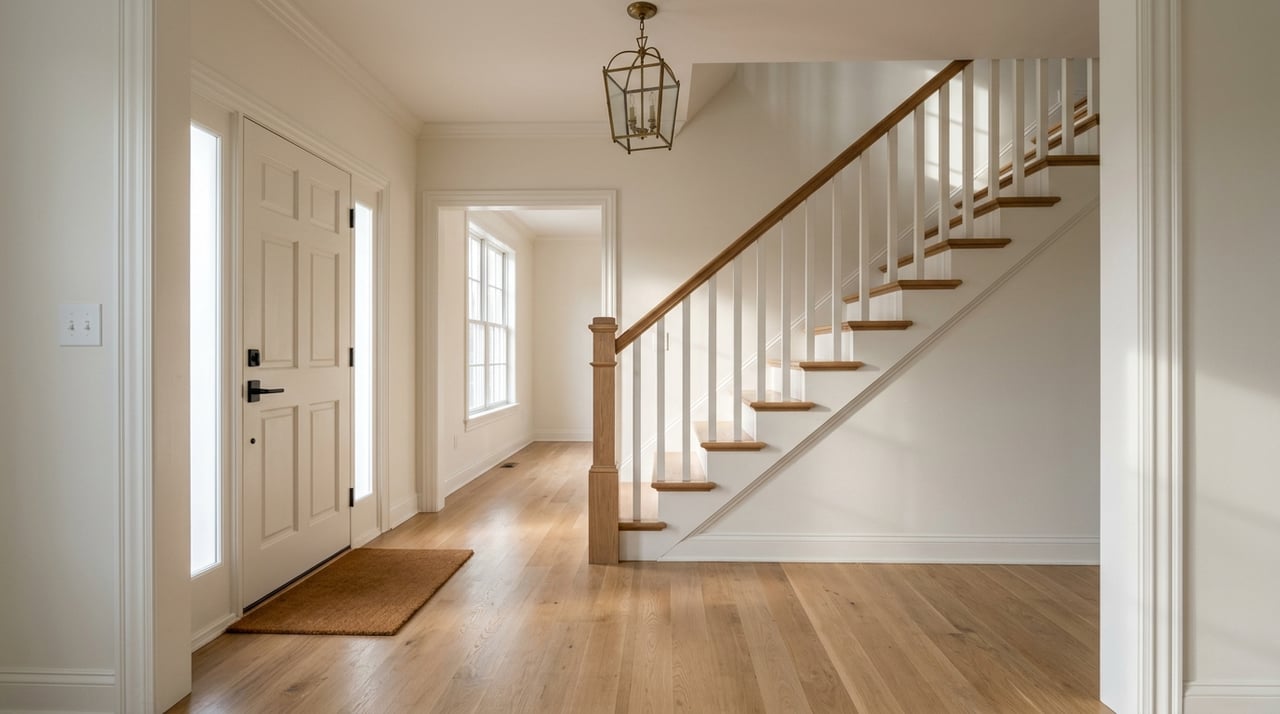
That often means preserving the details that give the house its identity. If your home has hardwood floors, original trim, a graceful staircase, built-ins, or a fireplace, those features may be part of what sets it apart from newer inventory. Clean them, repair what is visibly worn, and make sure they are not hidden by clutter or heavy furnishings.
Try to avoid overcorrecting. Buyers looking at a classic Longmeadow home are often responding to warmth, scale, and architectural detail. If the home is overly stripped of personality or renovated in a way that feels disconnected from its style, it can lose some of the appeal that made it special in the first place.
The smartest pre-listing work is often the least glamorous. If something makes a buyer worry about cost, disruption, or deferred maintenance, it deserves attention.
Based on buyer trends, visible concerns around plumbing, electrical systems, heating, leaks, or general upkeep can quickly change the tone of a showing. You may not need a full renovation, but it helps to service major systems, address obvious issues, and gather any documentation you have for recent maintenance. A home that feels cared for is easier for buyers to trust.
Think in terms of friction reduction. If a faucet drips, a boiler sounds rough, a handrail is loose, or a window sticks, those small things can make buyers assume bigger problems exist. Fixing manageable issues before you list can make the house feel more solid and less negotiable.
If you have a limited budget, invisible improvements can deliver more value than cosmetic trends. Buyers often notice comfort even when they cannot see exactly what changed.
Longmeadow residents can arrange no-cost home energy audits through Mass Save and HomeWorks Energy. That can be a useful first step if you are deciding where to spend money before listing. Air sealing, attic insulation, weatherstripping, and efficient lighting can help support the story that the home is both classic and practical.
This approach also protects the home’s style. Instead of replacing historic character with trendy finishes, you can improve day-to-day livability in ways that matter to buyers concerned about operating costs. In many cases, that is a better fit for an older Longmeadow property.
You do not need every room to look like a magazine spread. You do need the home to feel open, calm, and easy to understand online and in person.
According to NAR’s staging research, the most common seller recommendations include decluttering, deep cleaning, and improving curb appeal. The same report found that staging helps buyers picture themselves in a home, and that the living room, primary bedroom, and kitchen matter most.
For a classic Longmeadow colonial or cape, start with the spaces buyers will remember:
A polished entry creates the first impression. A bright, orderly living room shows scale and flow. A clean kitchen and updated-looking bath areas help reassure buyers that the home has evolved where it counts.
Professional staging can also be more accessible than many sellers expect. NAR reports a median cost of $1,500 for a professional staging service, or $500 when handled by the seller’s agent. The right plan depends on the house, your timeline, and how much furniture and styling support the home already has.
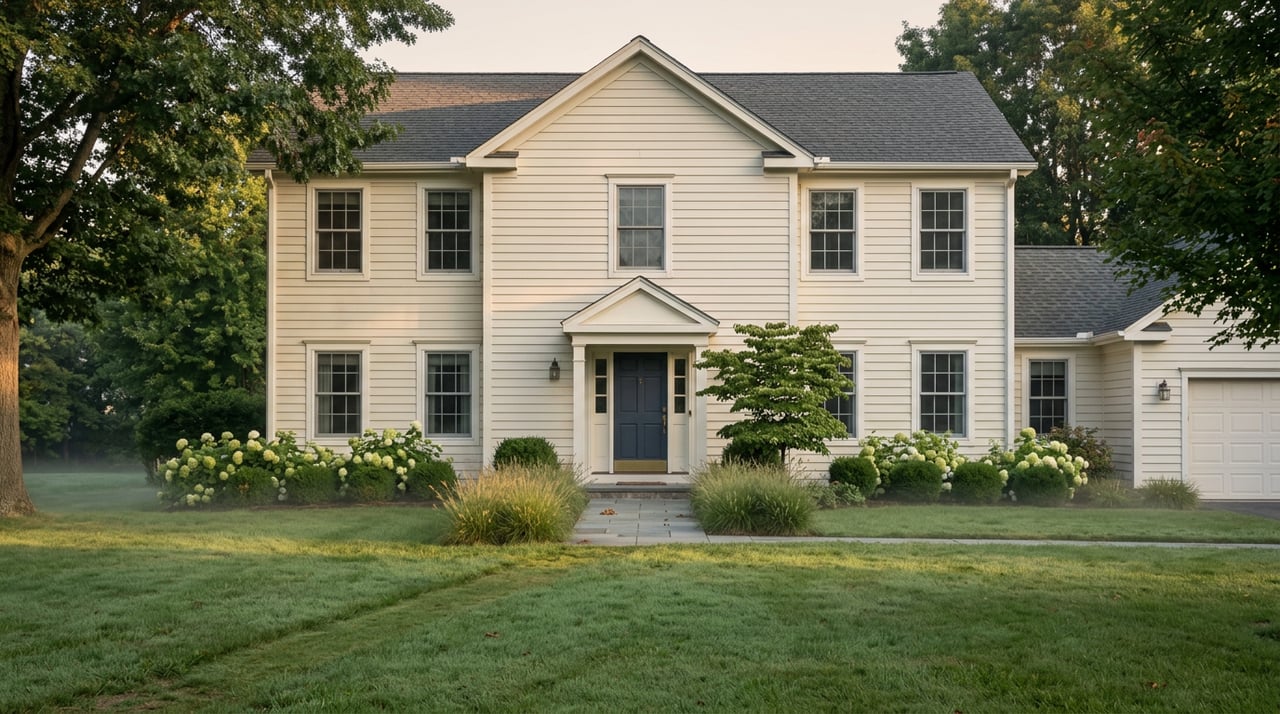
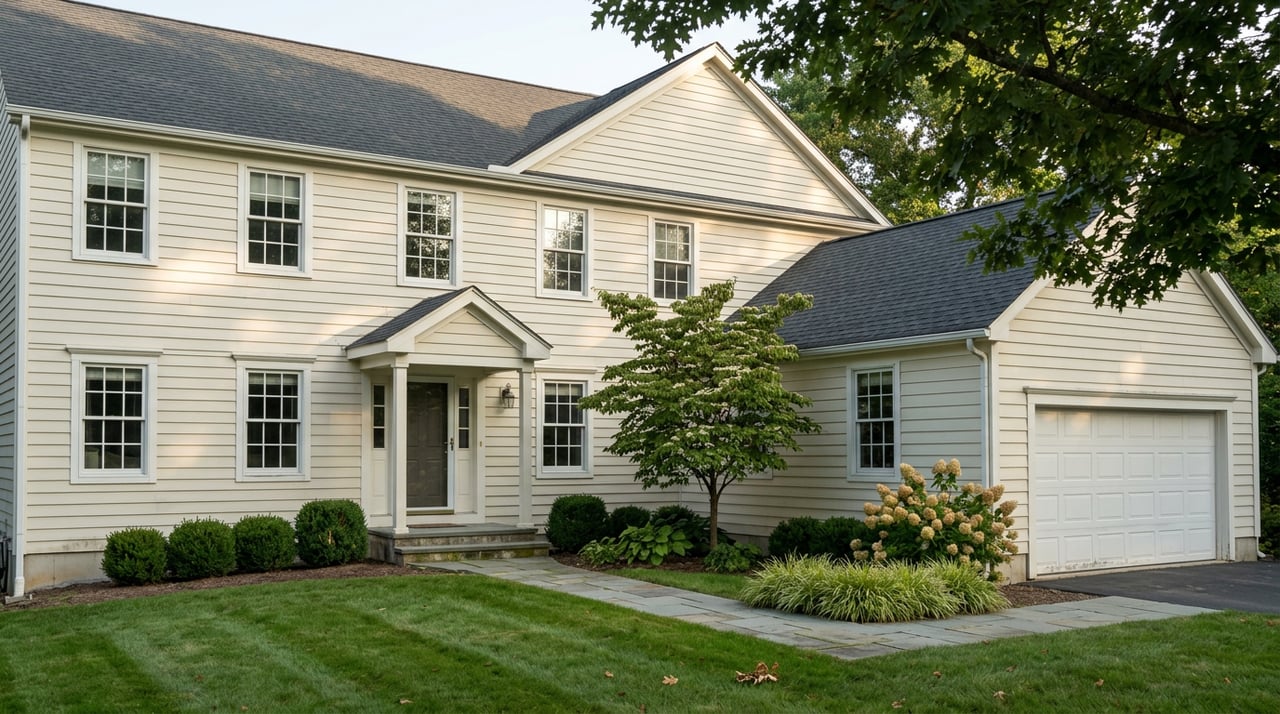
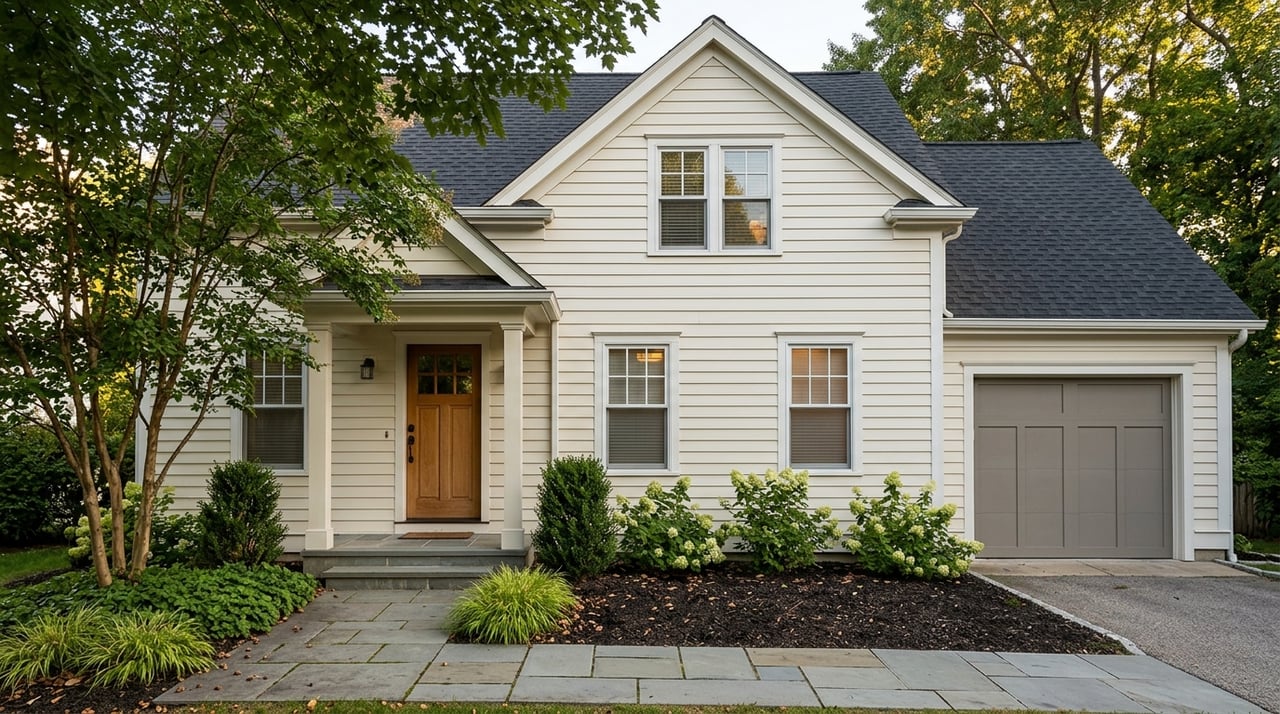
Curb appeal matters because buyers often form an opinion before they ever step inside. For an older home, the best exterior prep usually feels tidy and respectful, not dramatic.
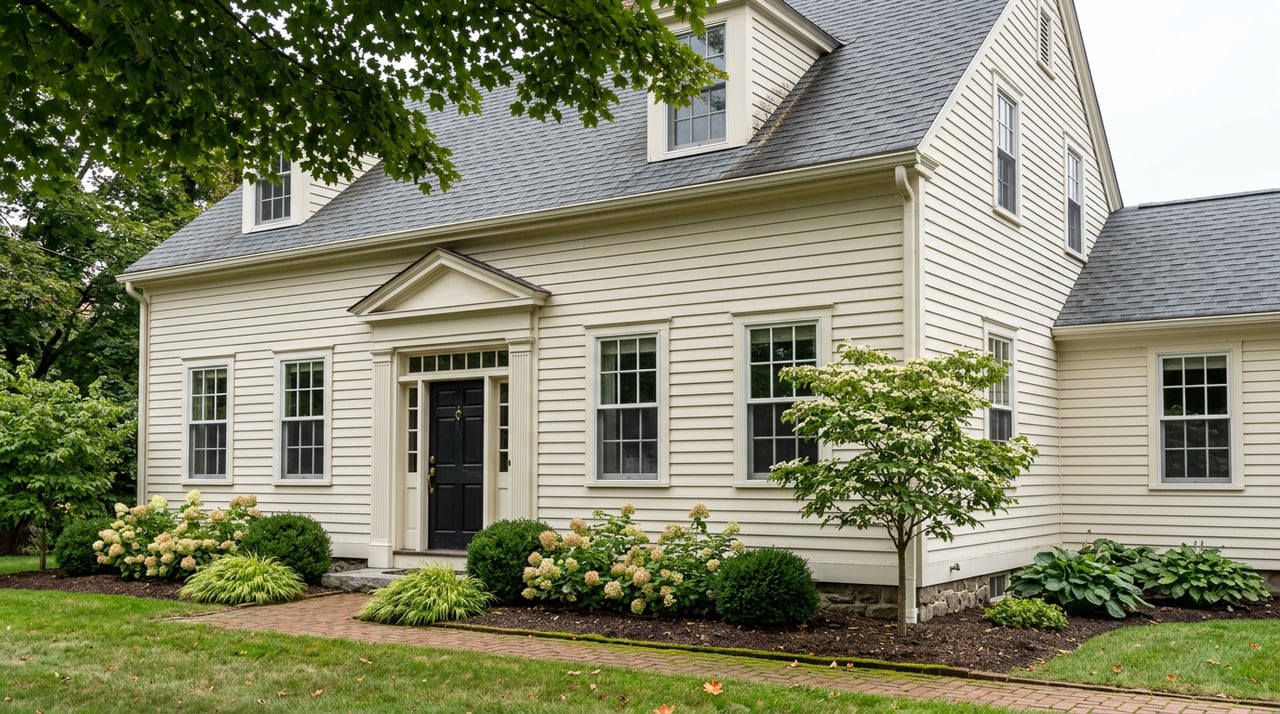
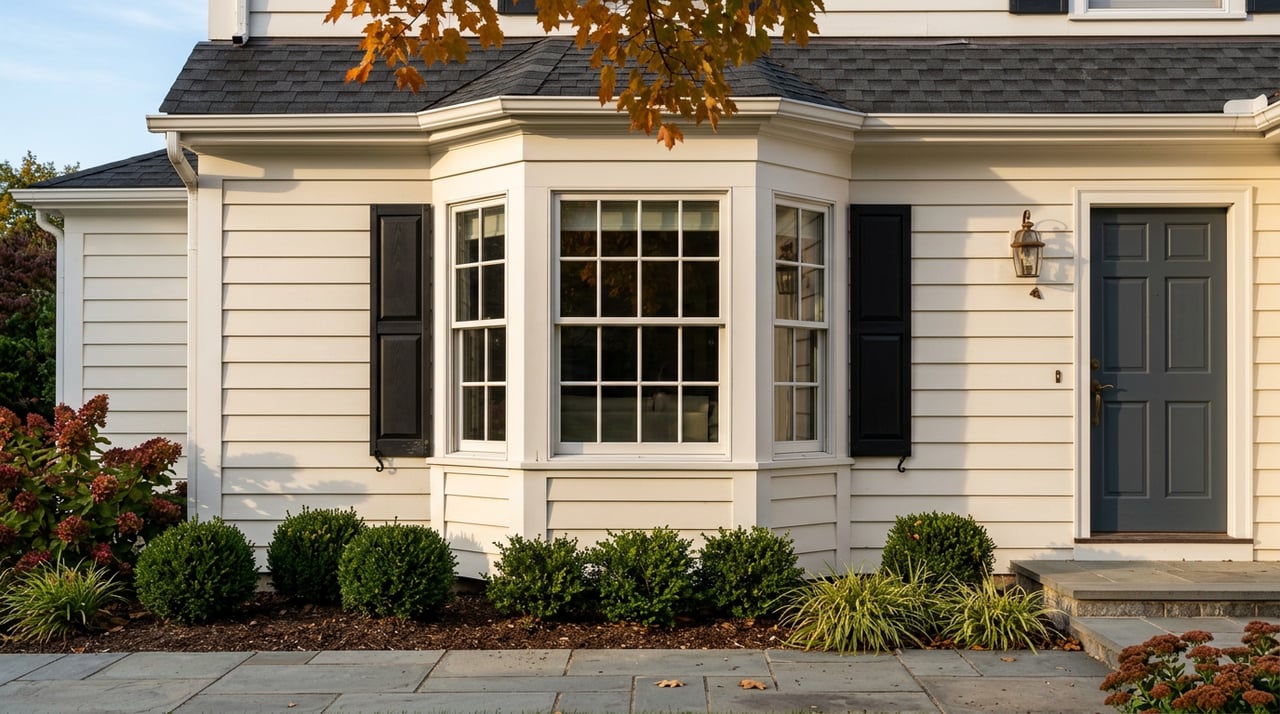
Focus on the basics first. Clean up the front walk, trim landscaping, touch up peeling paint where appropriate, clear gutters, and make sure the entry feels welcoming. If shutters, lighting, or house numbers are dated or mismatched, simple corrections can sharpen the overall look without changing the home’s style.
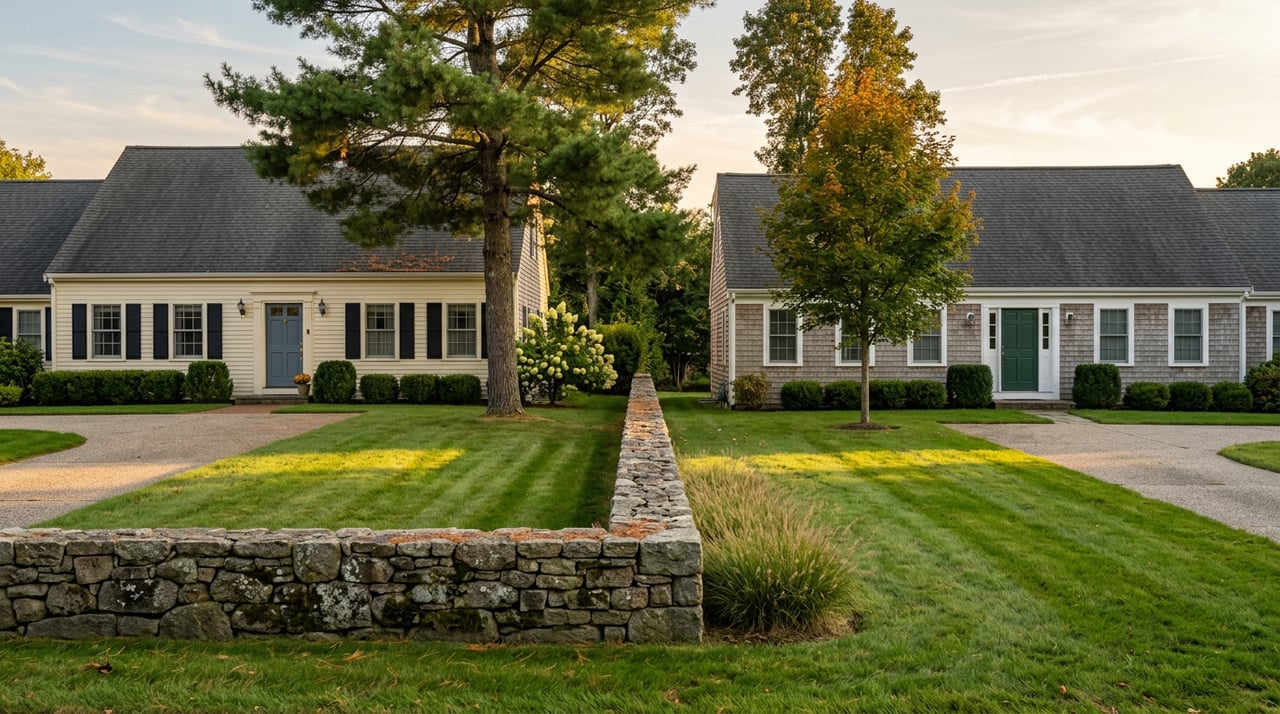
In Longmeadow, this is especially important because so much of the town’s appeal is tied to established streetscapes and architectural continuity. Buyers are not just evaluating your house in isolation. They are responding to how it fits into the setting.
Before you take on visible exterior work, make sure you understand local review requirements. If your property is in Longmeadow’s Historic District, visible exterior alterations require a certificate of appropriateness through the Historic District Commission.
The town also notes that pre-1901 structures are subject to a 9-month demolition delay ordinance. That does not mean you cannot improve your property. It means exterior changes should be planned carefully and checked against local requirements before you assume a quick update is the right move.
This is one reason a measured prep strategy works so well in Longmeadow. Cleaning, repairing, staging, and documenting upkeep often go farther than rushed exterior redesigns.
Today’s buyers usually meet your home online before they ever book a showing. That first impression can decide whether they move on or take the next step.
NAR reports that buyers typically searched for 10 weeks and looked at a median of seven homes, and that photos were especially useful during the search process. Buyers are also more likely to tour a home after seeing it online, which makes strong listing media essential.
For a classic home, your visual story should emphasize the features buyers are paying for:
Clear room-by-room labeling also helps. Buyers should be able to understand how the home lives, not just admire a few pretty angles. The more confidently they can interpret the property online, the more likely they are to schedule a showing.
A classic Longmeadow home should be marketed as more than “old” or “updated.” The stronger message is character plus livability.
That means describing the architectural details that give the home identity while also showing buyers that the property has been maintained and prepared for modern living. If the home is in an area with documented historical context, that can help make the listing feel grounded and place-specific instead of generic.
The story should be simple: this home has preserved its best features, addressed practical concerns, and is ready for its next chapter. That combination is often what helps older homes stand out in a competitive market.
If you are not sure where to begin, start with this order of operations:
This kind of prep supports what buyers already want. They are looking for warmth, function, and confidence. In Longmeadow, a classic home can absolutely deliver all three.
When you are ready to position your home for today’s buyers, working with a local expert can help you decide what to update, what to preserve, and how to present it with confidence. For thoughtful pricing, staging guidance, and professional listing strategy, connect with Romina D'Angelo.

Romina has represented both sellers and buyers, her clients have come to depend on her considerable expertise and market knowledge.