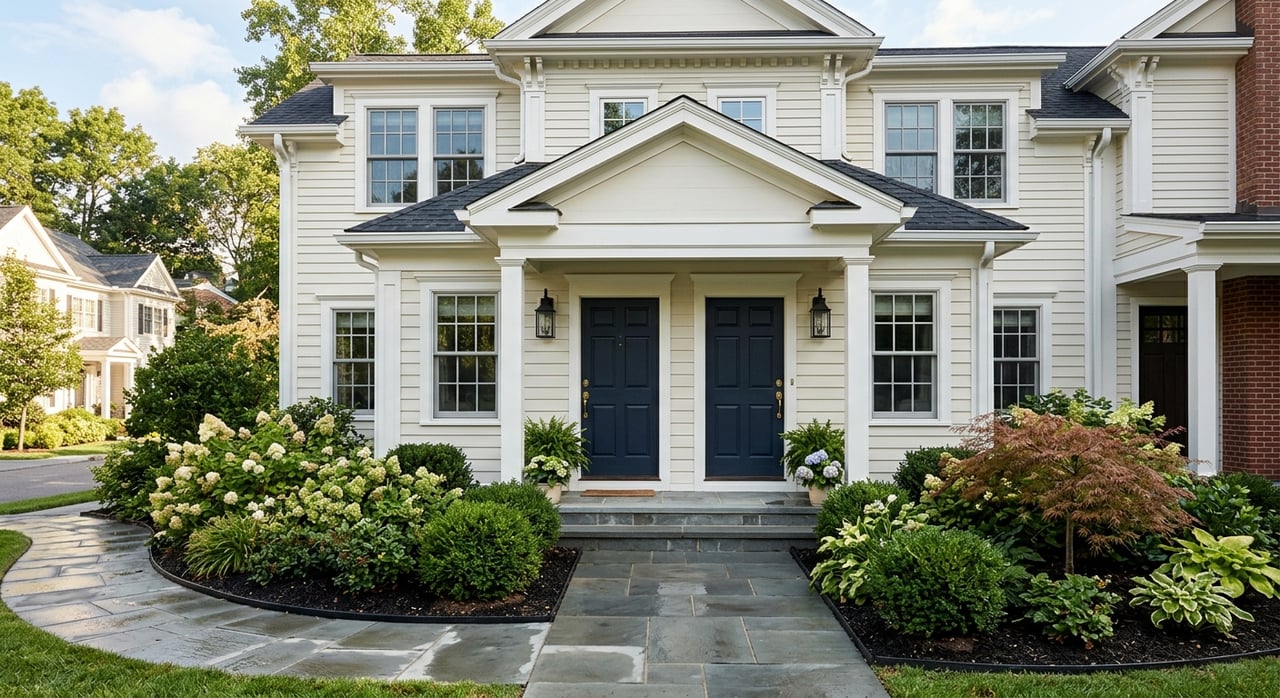
Longmeadow MA Condo vs House: Which Option Fits?
May 21, 2026
May 21, 2026
Trying to choose between a condo and a house in Longmeadow? It is a smart question, especially in a market where homes move quickly and the usual assumptions do not always hold up. If you are weighing budget, maintenance, privacy, and long-term fit, this guide will help you compare both options using current Longmeadow data. Let’s dive in.
Longmeadow remains a relatively tight market. Current public listing data shows about 47 active homes for sale, a median listing price of $574,950, and an average of about 17 days on market. Redfin also reports that most homes sell in about 17 days and receive around 2 offers.
That pace matters when you are deciding between a condo and a house. A fast-moving market can limit your time to compare options, and in Longmeadow, condo inventory appears especially thin. Redfin noted only 1 condo for sale in town last month, while detached homes showed a broader range of choices.
If you are focused on an in-town condo, you may need patience. Public search results suggest Longmeadow has fewer condo options available at any given time than single-family homes. That can make your search feel narrower, even before you compare price or monthly costs.
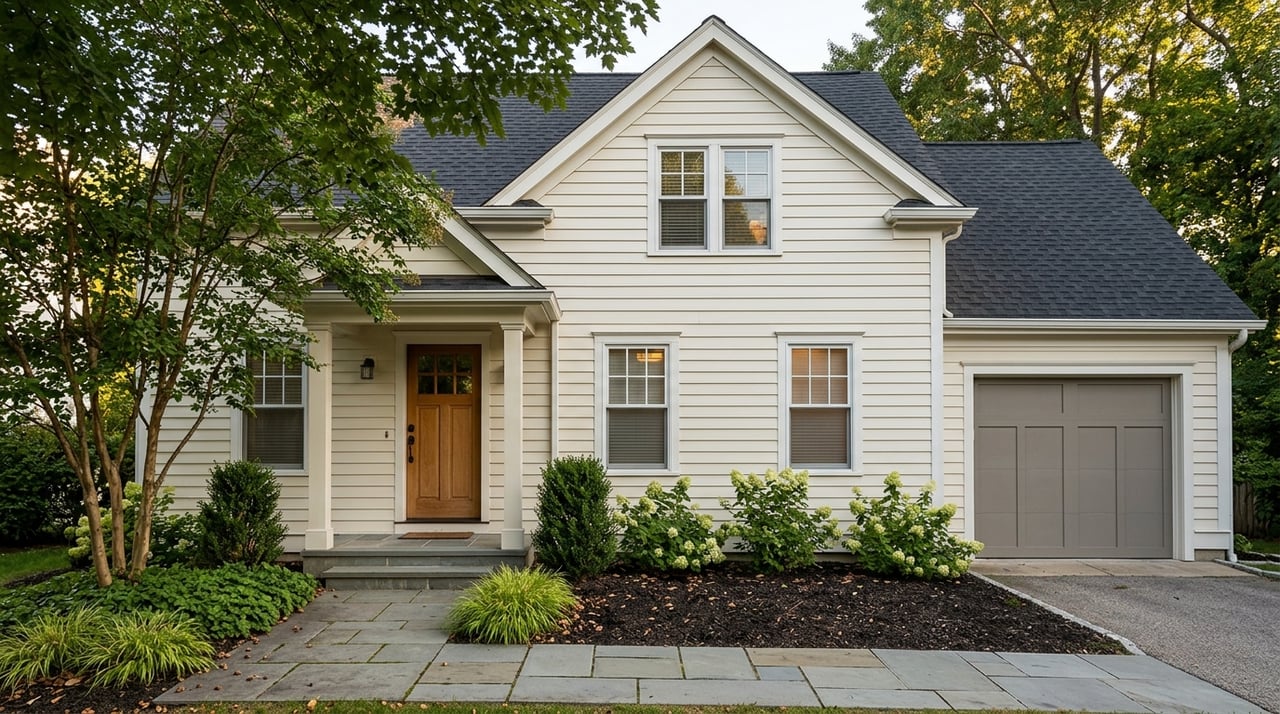
By contrast, detached homes in Longmeadow span a wider price range than some buyers expect. Current examples have included smaller single-family homes like 23 Berwick Rd at $329,900 and 535 Converse St at $425,000, along with higher-priced options such as 64 Prynnwood Rd at $589,900.
One of the biggest takeaways in Longmeadow is this: a condo is not automatically the lower-cost choice. The purchase price may be lower in some cases, but the monthly HOA fee can change the picture fast. That is why it helps to compare the full monthly and annual cost, not just the list price.
A recent local condo example makes that clear. Unit 8 at 8 Burns Mdw sold for $422,000 and carried HOA dues of $825 per month, or about $9,900 per year before mortgage, insurance, and property taxes.
Meanwhile, a detached home like 535 Converse St was listed at $425,000, which is in nearly the same price range. That kind of overlap means your decision may come down less to sticker price and more to how you want to live.
Longmeadow’s FY2026 residential tax rate is $19.32 per $1,000 of assessed value. Using that rate as a rough guide, a $422,000 condo would imply about $8,153 per year in property taxes if assessed at list price. A $425,000 house would come in at about $8,211, while a $589,900 house would be about $11,397.
Here is where the condo-versus-house comparison gets more interesting. The property tax difference between a $422,000 condo and a $425,000 house is minimal, but the condo’s HOA fee adds nearly $10,000 per year in recurring cost. For many buyers, that monthly line item becomes a major part of the decision.
| Property Type | Example Price | Estimated Annual Taxes* | HOA Dues |
|---|---|---|---|
| Condo | $422,000 | $8,153 | $9,900/year |
| House | $425,000 | $8,211 | None shown |
| House | $589,900 | $11,397 | None shown |
*Estimated using Longmeadow FY2026 residential tax rate of $19.32 per $1,000 of assessed value.
In Massachusetts, condo ownership includes your unit plus an undivided interest in the common areas and facilities. Under state condo law, those common areas can include things like roofs, halls, corridors, stairways, lobbies, and shared mechanical systems. Condo documents and bylaws also address maintenance, repairs, replacements, and how common expenses are collected.
In practical terms, condo living often means less direct responsibility for shared systems and exterior upkeep. In exchange, you typically accept association rules, shared decision-making, and monthly fees. If you like a more managed setup, that tradeoff may feel worthwhile.
With a detached home, you usually have more autonomy. You are not paying monthly HOA dues in the local house examples, and you generally have more control over exterior changes, renovations, and how you use the property. That flexibility appeals to buyers who want space and fewer shared rules.
Of course, more control also means more responsibility. Yard work, exterior maintenance, and repair planning usually fall on you. If you are comfortable handling those items, or budgeting for them, a house may be the better fit.
A condo can be a strong choice if your top goal is low-maintenance living. That may be especially true if you travel often, want a lock-and-leave setup, or simply prefer not to manage as many exterior tasks. In that case, the HOA fee may feel more like a convenience cost than a drawback.
Longmeadow also has at least one age-restricted condo option that may appeal to downsizers. The 52 Burns Mdws Unit 52 example is a 2-bedroom, 2-bath condo in a 55-plus active community with HOA dues of $735 per month. For some buyers, that kind of setup creates a simpler day-to-day lifestyle while staying in town.
A house often makes more sense if you want land, privacy, and a simpler monthly bill. In Longmeadow, that can be especially relevant because some detached homes are available at price points similar to local condos. If you can buy a house for roughly the same purchase price, the lack of HOA dues may improve your long-term carrying costs.
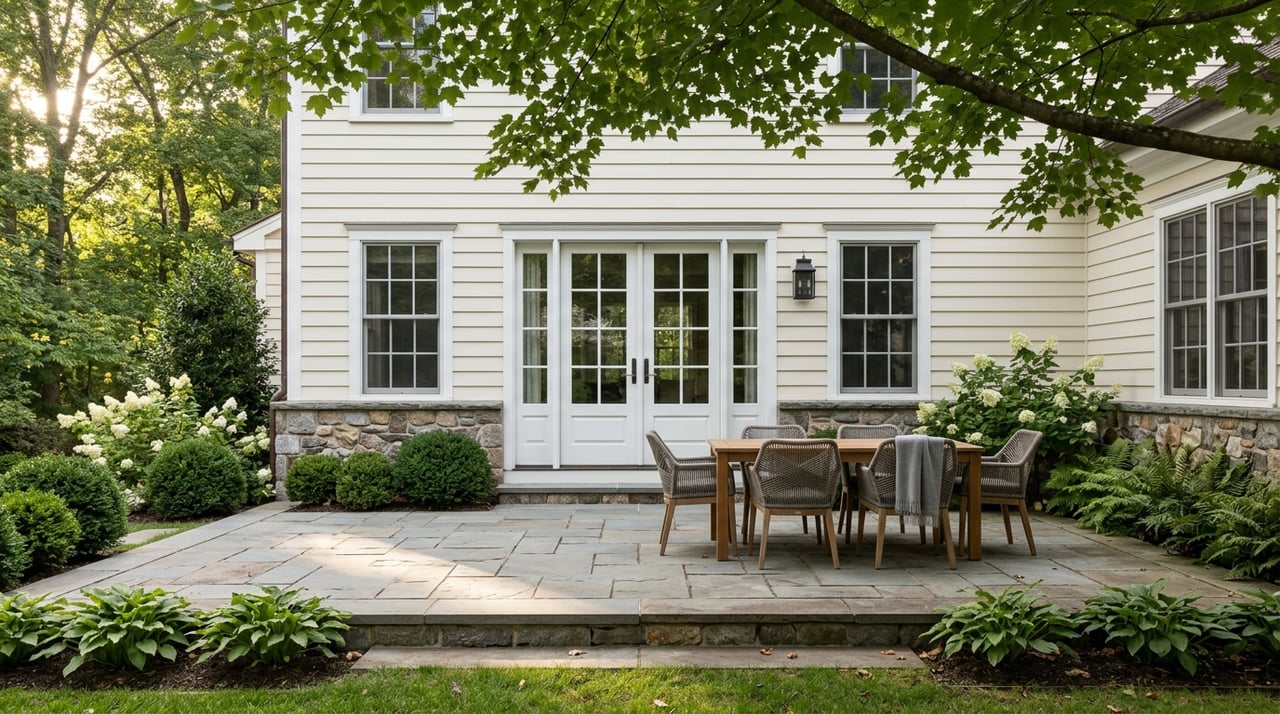
A house may also fit better if you want more flexibility over updates. Whether you are thinking about landscaping, outdoor living space, or future renovations, detached homes typically give you more room to shape the property around your needs.
Your decision is not only about today. It is also about how the property may appeal to future buyers when you are ready to move. In Longmeadow, condo resale may be more sensitive to HOA dues, association rules, parking or garage setup, building age, and whether the community is age-restricted.
Detached homes often appeal to a broader pool of buyers because they offer land, privacy, and no HOA fee in the listing examples reviewed here. Longmeadow Public Schools serves about 2,816 students across six schools, and the district states that its state test scores have been among the highest in Massachusetts. For many buyers looking in town, that can be one of several factors that supports overall marketability.
If you are torn between the two, start with your lifestyle first and your budget second. A condo may be the better fit if you value convenience, less exterior upkeep, and a more managed ownership structure. A house may be the better fit if you value space, privacy, renovation freedom, and fewer recurring shared costs.
Here is a quick way to frame it:
In Longmeadow, this is not a simple condo-cheaper, house-more-expensive decision. Local examples show that some single-family homes are priced near condo levels, while condo ownership can carry significant HOA costs. That means your best choice depends on how you want to live, what monthly costs you are comfortable with, and how much flexibility you want over time.
If you want help comparing real options in Longmeadow and running the numbers in a practical way, Romina D'Angelo can help you weigh the tradeoffs and find the right fit for your next move.

Romina has represented both sellers and buyers, her clients have come to depend on her considerable expertise and market knowledge.