Living in Longmeadow MA: A Look at Historic Homes
July 2, 2026
July 2, 2026
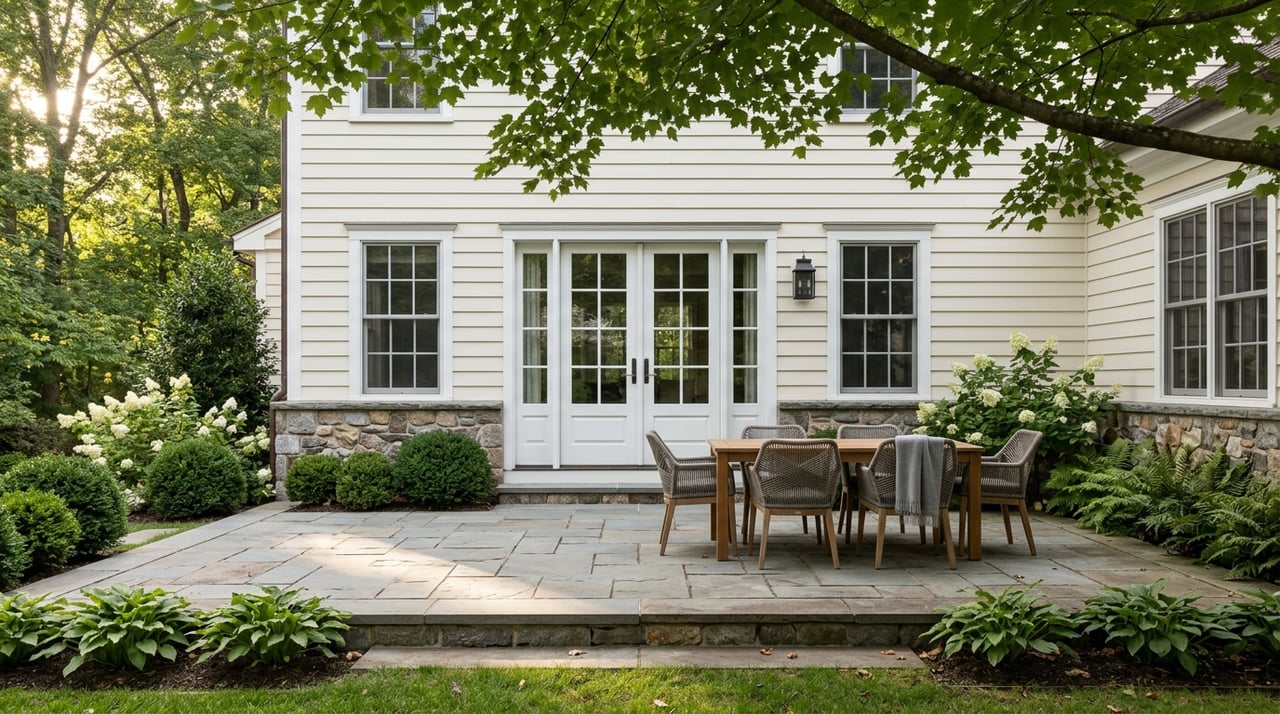
Wondering if a historic home in Longmeadow feels charming in real life or just looks good in photos? If you are drawn to older architecture, tree-lined streets, and a strong sense of place, Longmeadow offers a setting that stands out in western Massachusetts. Living here is not just about owning an older house. It is about being part of a town where history still shapes daily life. Let’s dive in.
One of the biggest differences in Longmeadow is that many older homes are not scattered randomly across town. They are part of a long, established historic corridor centered around Longmeadow Street and the Green.
That pattern goes back centuries. Longmeadow Street was laid out in 1703, house lots were assigned, and homes were occupied by 1709. By 1894, about 100 homes were concentrated mostly along Longmeadow Street, and the trolley line that arrived in 1896 helped turn Longmeadow into a streetcar suburb.
For you as a buyer, that history matters because it helps explain why the area feels so settled and cohesive. Instead of a single standout antique home on an otherwise newer street, you often find older properties woven into a broader historic setting.
If you live near the civic core, your routine may feel more village-like than suburban. The Longmeadow Town Green sits at the intersection of Williams and Longmeadow Streets and serves as a regular gathering place for community life.
The Green hosts Memorial Day services, summer concerts, school activities, and the Pride Festival. Nearby, you also have Storrs Library and the Community House, which was built in 1921 and now houses the Longmeadow Dance School and other programs.
This matters because historic homes in Longmeadow often come with more than period details. They can also place you close to public spaces and civic landmarks that stay active throughout the year.
In some towns, historic homes feel separate from everyday life. In Longmeadow, history is more visible and more lived in.
The town seal features the Red House on the Green, built in 1734, as a symbol of the many 18th-century homes that still remain part of Longmeadow’s identity. The historic resources inventory also shows a long stretch of pre-1901 and historically significant properties on Longmeadow Street.
That creates a different ownership experience. You are not just buying an older structure. You are stepping into a place where preservation is part of the town’s civic identity.
Historic-home ownership in Longmeadow can be rewarding, but it is not exactly the same as owning a newer house. The biggest practical difference comes into play if the property is in the Longmeadow Historic District.
The Historic District was established in 1973 and includes the Longmeadow Green, nearby areas, Town Hall, and the old section of the cemetery. In that district, exterior changes visible from a public way require a certificate of appropriateness.
That does not mean you cannot make updates. It means visible exterior work usually requires more planning and coordination with the town than a similar project on a non-district property.
If you are considering a historic property in the district, it helps to go in with clear expectations. Projects that affect the home’s exterior appearance may need review before work begins.
This often matters most for buyers thinking ahead about improvements. If you love the idea of stewardship and do not mind an extra step in the process, this may feel like a fair trade for living in such a distinctive setting.
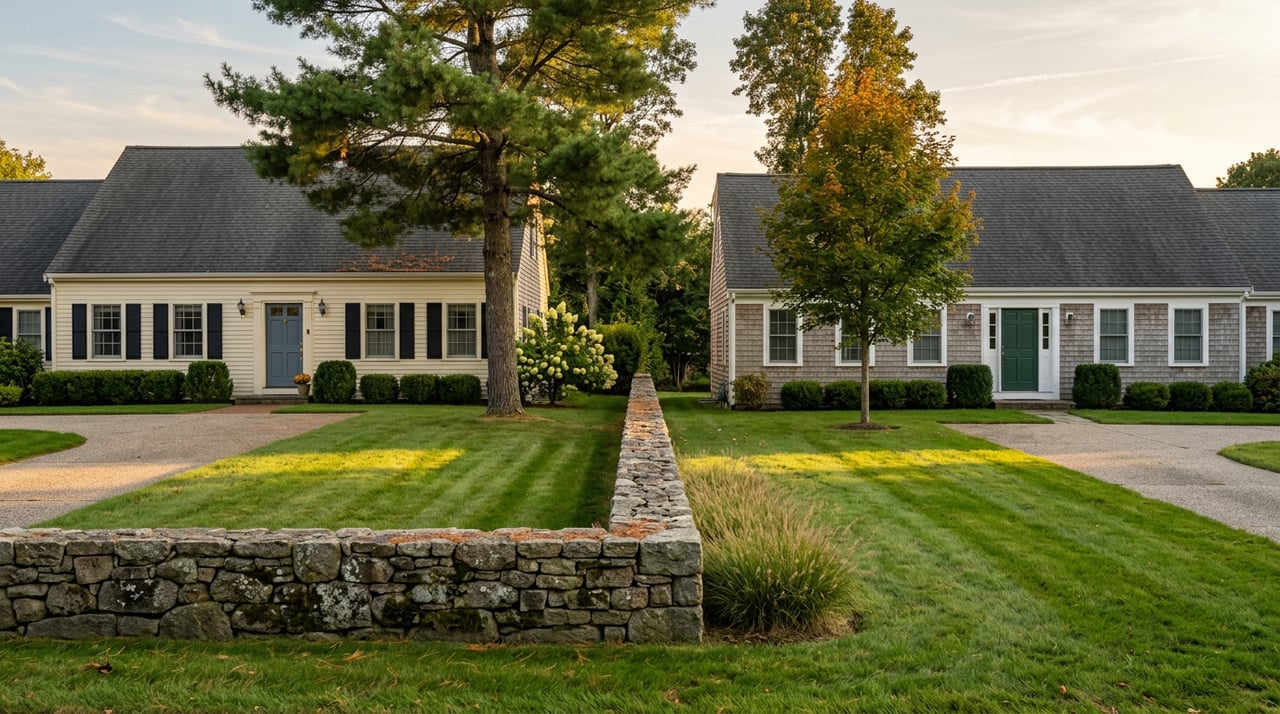
A big part of Longmeadow’s appeal is how the homes, streetscape, and civic buildings work together. The historic corridor is not just old. It feels connected.
That continuity can shape how the area looks and feels day to day. Mature homes, established lots, and recognizable landmarks all contribute to a sense of place that many buyers are looking for when they say they want character.
For some people, that feeling is hard to define until they experience it in person. In Longmeadow, it often comes through in the rhythm of the streets, the presence of the Green, and the concentration of historic structures near the town center.
Longmeadow’s leafy look is not an accident. The town actively manages and maintains the public landscape that helps frame many of its older homes.
According to the Tree Warden, a 2022 assessment covered 9,000 street trees in Longmeadow. The same town resource notes that Longmeadow has earned Tree City USA status for 21 years.
The Tree Committee is also working on an accredited arboretum on the Longmeadow Green, and the Beautification Fund supports flowers, shrubs, and ornamental trees at civic sites. For you as a resident, that means the classic New England streetscape is something the town actively cares for.
Living in a historic home does not mean giving up everyday convenience or recreation. Longmeadow pairs older residential areas with easy access to parks and outdoor spaces.
Bliss Park, near the center of town at Bliss and Laurel Streets, offers walking trails, an outdoor pool, a baseball field, a playground, a basketball court, and clay tennis courts. Laurel Park, just across from Bliss, adds a pond and walking trails for quieter recreation.
Turner Park covers 84 acres of wooded terrain with trails, a pond, and a bike trail. Greenwood Park includes an outdoor pool, pickleball courts, a playing field, and a multipurpose facility with programs and social services.
That combination gives Longmeadow an appealing balance. You can enjoy historic streetscapes while still having practical options for exercise, fresh air, and everyday downtime.
Another reason Longmeadow’s historic homes feel special is that the surrounding institutions are still in use. The area around the Green is not frozen in time.
The Longmeadow Historical Society, based in the Storrs House Museum at 697 Longmeadow Street, offers tours, open houses, architectural tours, and cemetery tours. Those programs reinforce the idea that local history is not hidden away. It is shared, interpreted, and kept visible.
For homeowners, that can deepen your connection to the area. You may find that living in a historic part of town feels more meaningful when the community continues to engage with its past in an active way.
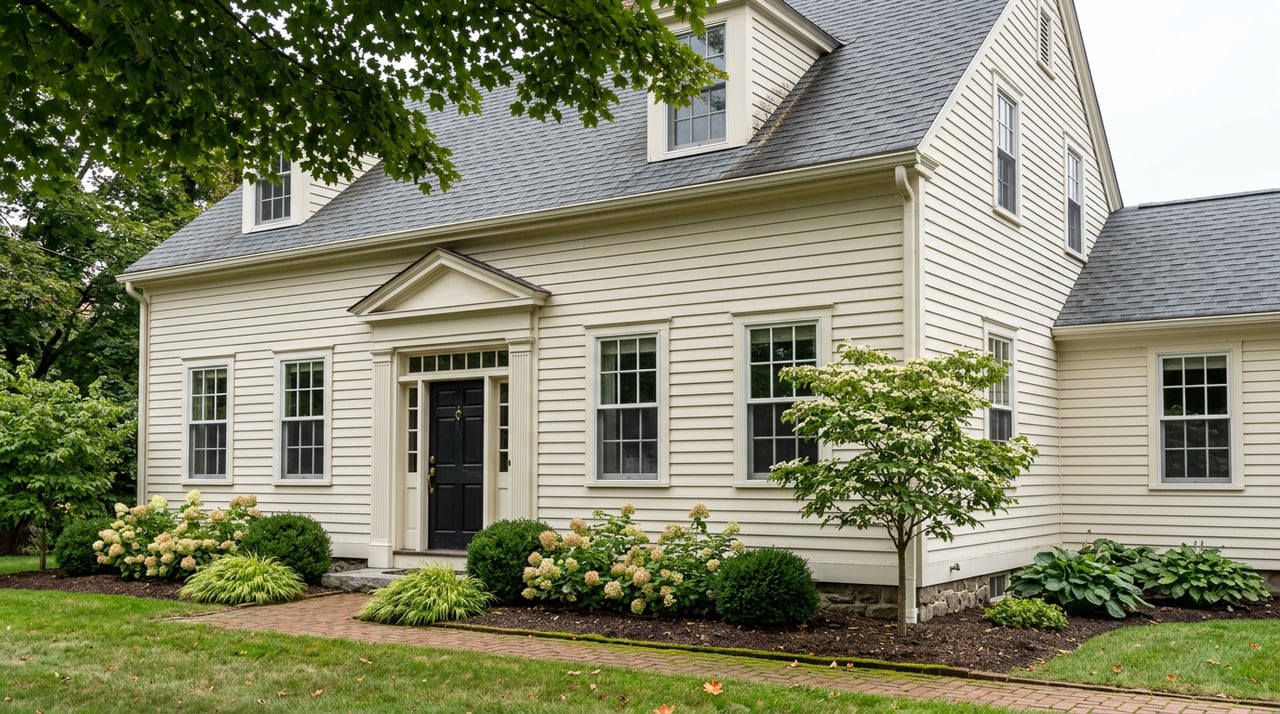
Historic homes in Longmeadow usually appeal to buyers who want more than square footage alone. If you are drawn to architectural character, established surroundings, and a town center with civic energy, these properties may feel especially compelling.
They can also suit buyers who appreciate the idea of care and continuity. In Longmeadow, the appeal is often as much about the setting as it is about the home itself.
If you prefer a highly flexible exterior renovation path, a non-district home may be a better fit. If you value history, visual character, and a stronger connection to place, a historic property may feel worth the added planning.
Before you make an offer on a historic home in Longmeadow, it helps to think beyond style alone. A beautiful older house should also fit how you want to live.
Here are a few smart questions to ask:
The right property is usually the one that matches both your taste and your day-to-day priorities.
So what is it really like living in Longmeadow’s historic homes? In many cases, it feels rooted, scenic, and connected.
You get the beauty of older architecture, the presence of mature trees, and the rhythm of a town where the historic core still matters. You also take on a little more responsibility, especially if your home falls within the local historic district.
For many buyers, that tradeoff is exactly the point. Living here means enjoying a home that is part of Longmeadow’s ongoing story, not just its past.
If you are exploring homes in Longmeadow and want guidance that is local, thoughtful, and tailored to your goals, Romina D'Angelo can help you evaluate the right fit with clarity and confidence.

Romina has represented both sellers and buyers, her clients have come to depend on her considerable expertise and market knowledge.