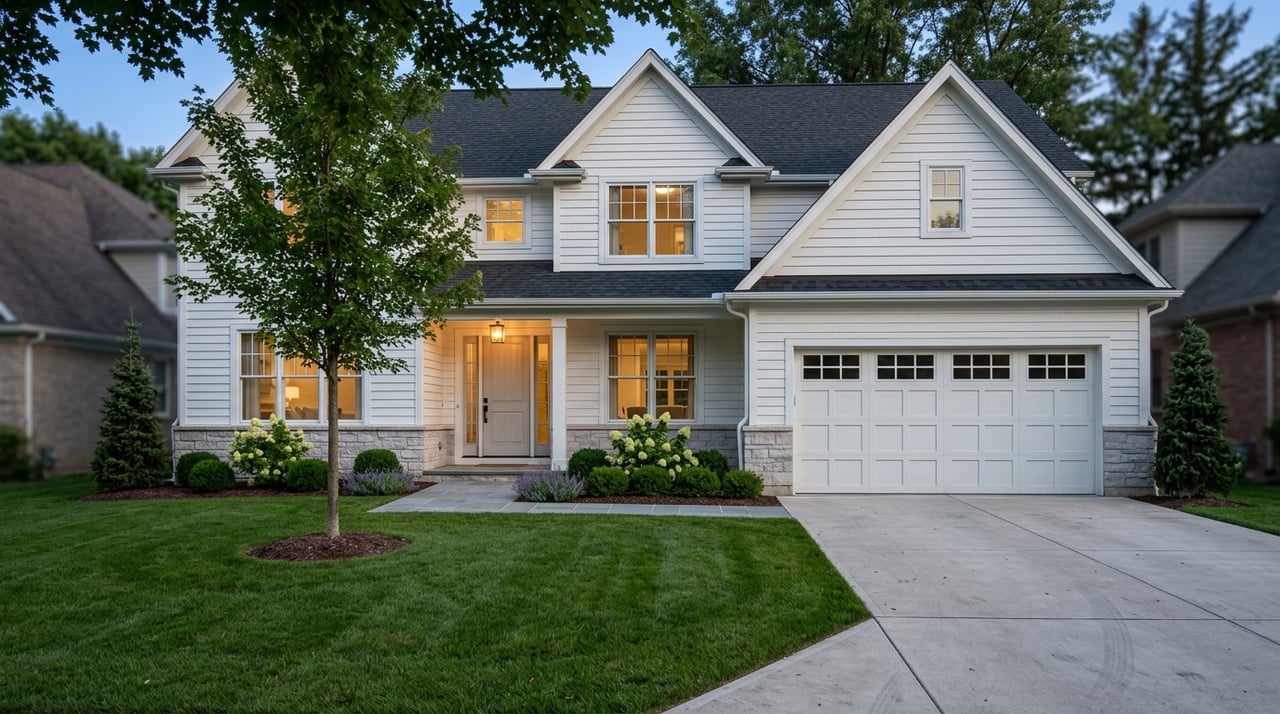
Suffield CT Land and New Construction: What to Know
June 25, 2026
June 25, 2026
Thinking about buying land or building a new home in Suffield? It can be exciting to imagine your future home from the ground up, but it also comes with more moving parts than a typical resale purchase. If you understand the local rules, site questions, and approval process early, you can avoid costly surprises and move forward with more confidence. Let’s dive in.
Suffield’s planning framework describes the town as primarily residential and agricultural, which makes lot-by-lot review especially important before you buy. A parcel that looks ideal at first glance may still have limits tied to zoning, wetlands, floodplain, access, or utility availability.
The town makes zoning, village-district, inland wetlands, and FEMA flood maps available online, and those tools are a great starting point. Still, town guidance also notes that map research is approximate, so you should treat online review as the beginning of due diligence, not the final answer.
Suffield’s lot buildability guidance is one of the most important documents for land buyers. It explains that final buildability may require input from professionals such as a surveyor, civil engineer, land-use attorney, or environmental consultant.
According to the town, the biggest factors that affect whether a lot can support a house include:
Even if a parcel is listed as residential land, that does not automatically mean it is ready for construction. A conservation easement can also preserve a lot while limiting or even eliminating development potential.
Before you remove contingencies or spend money on design work, focus on the practical questions that often determine whether a project works. These are the same categories the town highlights in its own buildability memo.
Ask for and verify the following:
These questions can save you from buying land that is much harder or more expensive to develop than expected. In many cases, the cost of early due diligence is small compared with the cost of getting it wrong.
Buying land in Suffield is not always as simple as purchasing a lot and applying for a building permit. Depending on the property and your plans, additional land-use approvals may be required before construction begins.
The town lists several review paths that can apply, including:
This means your timeline may depend on more than just your builder’s schedule. If the lot falls within the Suffield Historical District, special zoning regulations apply, and the permit process may also require a Historic District Commission certificate of appropriateness.
Utilities are one of the first things you should clarify when buying land or considering new construction in Suffield. Some properties may be within the municipal sewer district served by the town’s Water Pollution Control Authority, while others may need a septic system and private well.
If sewer is not available, the North Central District Health Department is part of the path for subsurface sewage disposal and private well oversight. In rural and lower-density areas, septic systems are common, so it is smart to confirm early whether your lot can connect to sewer or must follow a septic-and-well route.
Private well testing matters too. Connecticut guidance recommends testing private well water when buying a home, and in areas without municipal water, that should be part of your due diligence plan.
Some of the most expensive surprises in new construction happen outside the house itself. Grading, drainage, driveway work, and utility runs can all affect your budget and your timeline.
Suffield’s Public Works Department requires a right-of-way permit for work that encroaches on town rights-of-way before construction begins. The town also lists a driveway permit application along with zoning and subdivision forms, which shows how important access and site work can be in the early planning stage.
New construction in Suffield involves more than one office. The Building Department processes permits online and lists a base permit fee of $60 for the first $1,000 of construction value, plus $17 for each additional $1,000.
There is also a $250 late fee if work starts before the proper permit is issued. That makes it especially important to keep permits, approvals, and contractor responsibilities organized from the start.
You should also expect Fire Marshal review as part of the permit process. Building and site plans go through fire and life-safety review, which is a normal part of the timeline for new construction.
Flood-related issues can affect both buildability and long-term ownership costs, so this is not something to push to the end of the process. Suffield points buyers to its FEMA flood-insurance-rate map updates, and the town’s planning resources make flood review part of smart early due diligence.
If a lot is in or near a flood-hazard area, that may affect design, approvals, insurance, and overall feasibility. Even a beautiful parcel can become a very different purchase once flood constraints are fully understood.
If you are purchasing a newly built home or hiring someone to build one, builder vetting matters. In Connecticut, anyone who builds a new home must have a valid Department of Consumer Protection registration, including speculative builders.
The state also says building officials cannot issue permits without a copy of that registration unless the homeowner is building their own home. Builders must display their registration number in advertising and provide a copy of the registration along with a required consumer notice before contract signing.
A polished model home or attractive floor plan should not replace careful questions. You want a clear picture of what is included, what is excluded, and who is responsible for key approvals.
Here are smart questions to ask:
These questions can help you compare builders more clearly and avoid misunderstandings later in the process.
If the work falls under home improvement, Connecticut requires a written contract with specific items, including the contractor registration number, date signed, start date, completion date, and cancellation deadline. State guidance also encourages consumers to research the project type, speak with several contractors, ask for references from similar jobs, and verify registration.
For you as a buyer, the takeaway is simple: get details in writing. Verbal expectations about finishes, allowances, timing, or site work can create problems if they do not match the contract.
In some cases, yes. Suffield allows accessory dwelling units on lots with a single-family home, but the property must remain owner-occupied, only one ADU is allowed, and the ADU cannot exceed 30% of the principal dwelling’s net floor area or 1,000 square feet, whichever is smaller.
The town also states that no additional driveway cuts are allowed for an ADU. If this flexibility matters to you, it is worth reviewing those rules before you buy so your future plans match the property.
The safest move after finding a parcel you like is to run it through zoning, wetlands, flood, and buildability checks before you go too far. That approach is directly in line with the town’s own guidance and can help you avoid tying up money in a lot that may not fit your goals.
If you are comparing land, a builder-owned new construction home, or a custom build opportunity, it helps to have someone local guiding the process from the start. A careful, informed approach can make the difference between a smooth build and a frustrating one.
If you’re considering land or new construction in Suffield and want a local, hands-on guide through the process, reach out to Romina D'Angelo. She can help you evaluate opportunities, ask the right questions, and move forward with confidence.

Romina has represented both sellers and buyers, her clients have come to depend on her considerable expertise and market knowledge.