Buying An Older Home In Longmeadow: Key Considerations
July 9, 2026
July 9, 2026
Are you drawn to the charm of an older home in Longmeadow, but wondering what comes with that character? You are not alone. Many buyers love the architecture, mature streetscapes, and established feel of this market, yet they also want to avoid costly surprises. This guide will help you understand what to look for, what questions to ask, and how to plan wisely before you buy. Let’s dive in.
Longmeadow has a housing stock that leans older, not newer. Current housing data shows that 27% of homes were built before 1939, another 27% were built from 1940 to 1959, and 32% were built from 1960 to 1979.
That age mix shapes what you are likely to find as a buyer. In many parts of town, homes may offer period architecture and established lots, but they may also have older systems or a mix of updates completed over different decades.
In Longmeadow, older homes can range from mid-to-late 19th century properties to early- and mid-20th century homes built during the town’s growth as a streetcar suburb. The town’s historical inventory notes development on streets and areas such as Chandler Avenue, South Park Terrace, Converse Street, Villa Street, Highland Street, Homecrest Street, Edson Street, Meadowbrook Road, and Englewood Road.
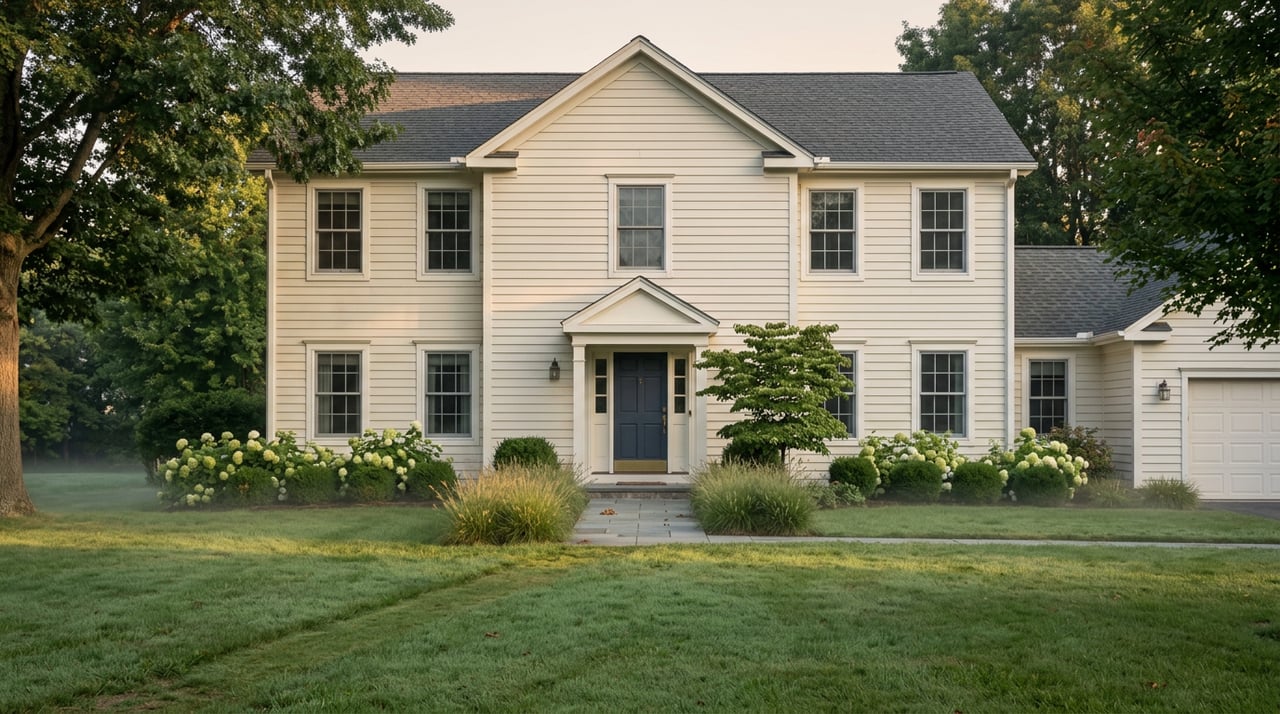
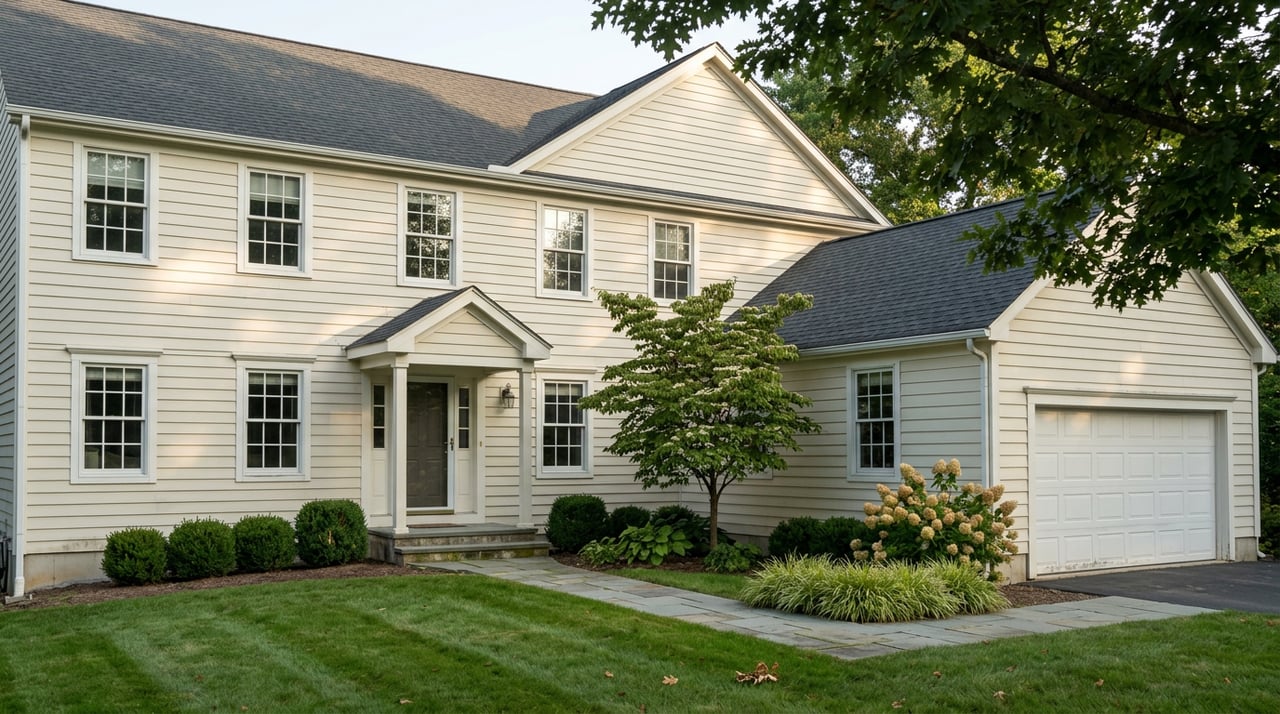
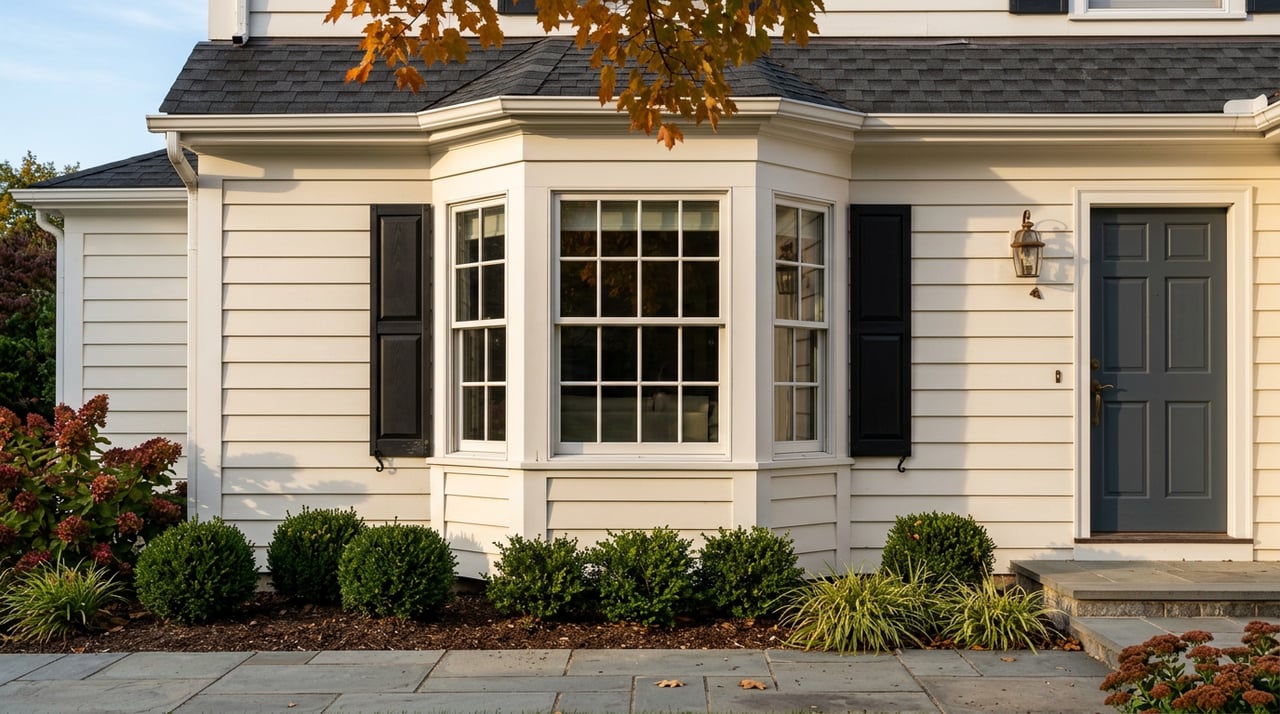
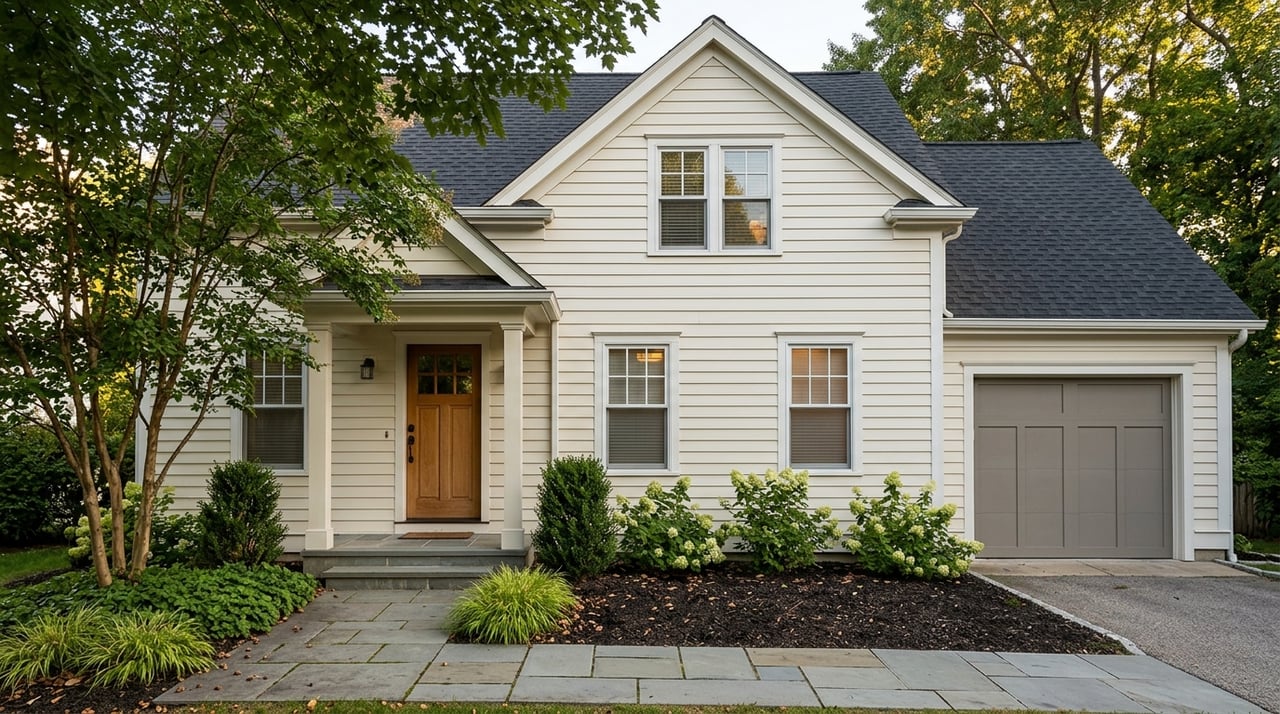
You may see architectural styles like Queen Anne, Craftsman, Bungalow, Colonial Revival, and Tudor Revival. For many buyers, that means original details, unique layouts, and curb appeal that is hard to replicate in a newer build.
It can also mean that renovations happened in stages. A home may have an updated kitchen but older wiring in another area, or newer windows with an older heating system. That is why it helps to look beyond finishes and focus on the home as a whole.
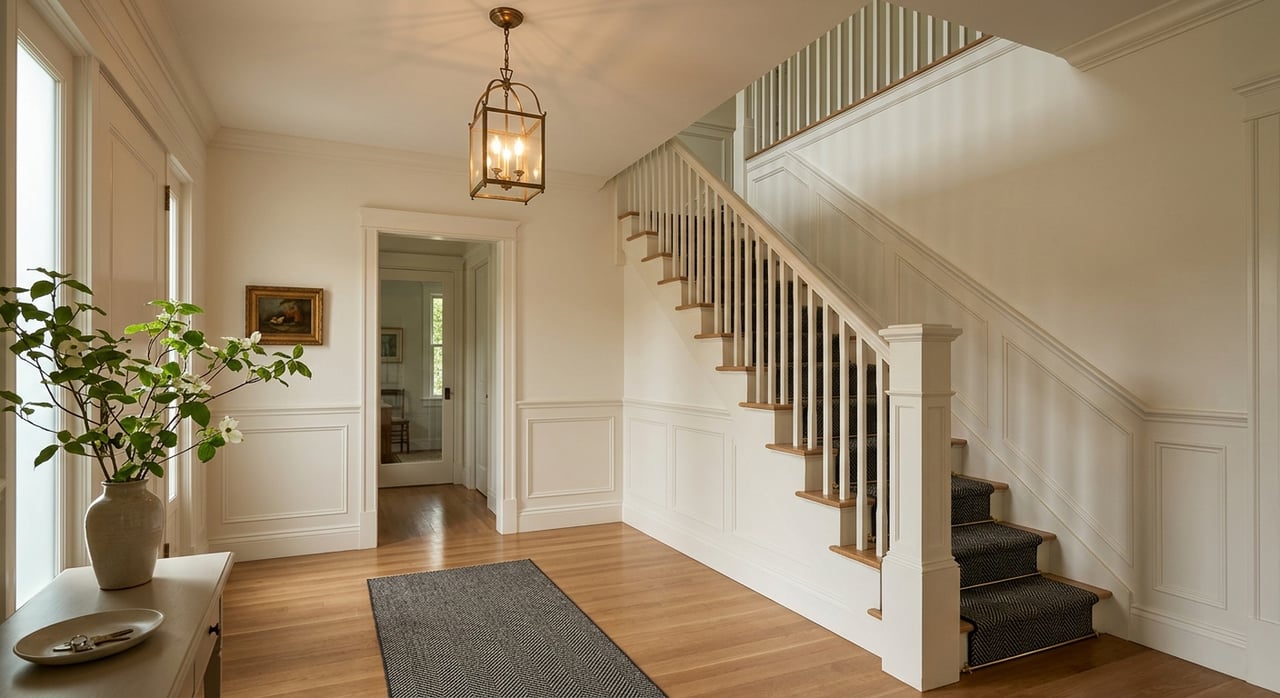
When you walk through an older home, it is easy to notice the charm first. Woodwork, built-ins, porches, and mature landscaping can make a strong first impression. Still, your bigger financial decisions often come down to the less visible parts of the property.
Before you start thinking about paint colors or countertop choices, pay close attention to the condition of the structure and major systems. In an older market like Longmeadow, that step can help you understand whether the home is move-in ready, needs short-term repairs, or calls for a longer upgrade plan.
Massachusetts says a home inspection reviews the readily accessible exposed portions of the roof, attic, walls, ceilings, floors, windows, doors, basement, foundation, heating and cooling systems, interior plumbing, and electrical systems. The state also notes that an inspection is not an appraisal, a code inspection, or a guarantee.
The state recommends using an inspection contingency and confirming that your home inspector is licensed. That guidance is especially important when you are buying an older home with more potential variables.
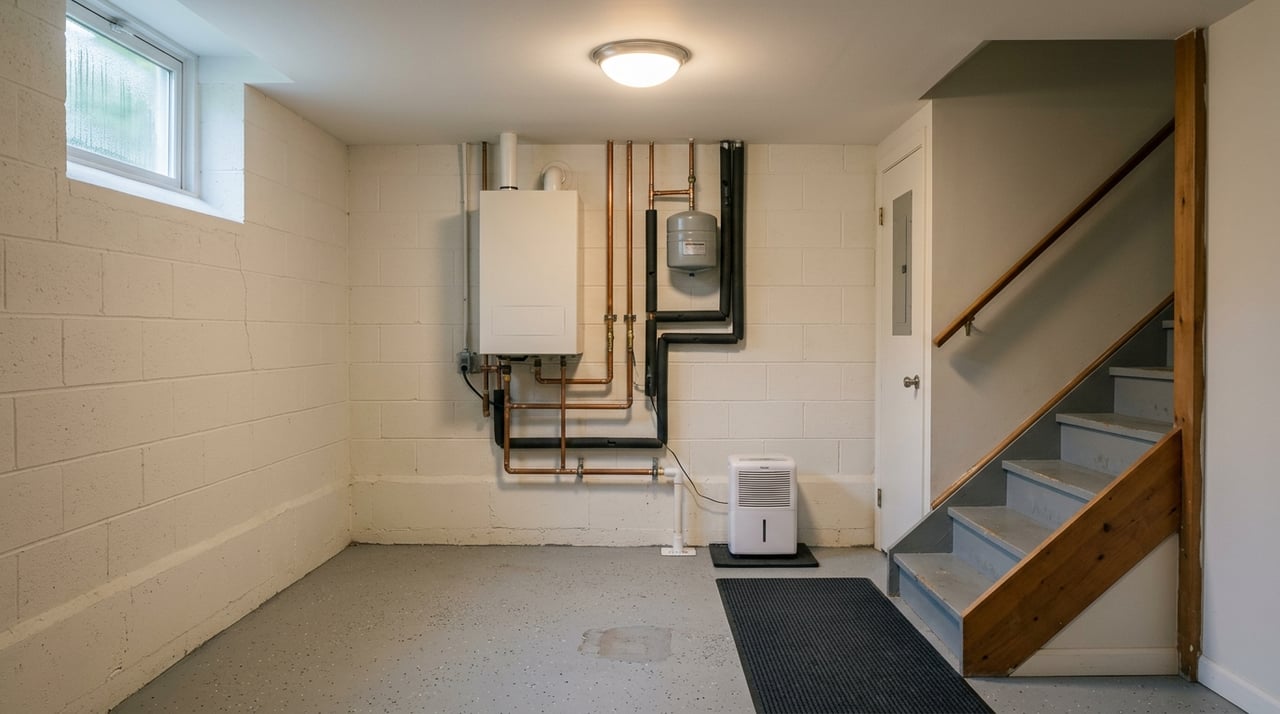
Based on the Massachusetts inspection scope and the age of Longmeadow’s housing stock, buyers often want to pay close attention to:
These items can affect both safety and long-term cost. Even if a home looks well maintained, an inspection can help you understand what may need attention now versus later.
If the home was built before 1978, lead paint should be part of your review. Massachusetts and federal law require Property Transfer Lead Paint Notification for homes built before 1978, and buyers have the right to know whether lead-based paint or lead hazards are known before they become obligated to buy.
This matters in Longmeadow because a large share of homes were built before that cutoff. Massachusetts also notes that renovation work disturbing painted surfaces should be handled with proper lead-safe practices when lead may be present.
If you are considering updates after closing, take a careful approach. That is especially true for projects involving windows, trim, kitchens, baths, or other areas where painted surfaces may be disturbed.
A smart next step is to review the lead paperwork early and plan renovations with lead-safe work practices in mind. If documentation or testing is not available, it is wise to assume lead may be present in a pre-1978 home until proven otherwise.
Not every older home in Longmeadow will come with historic restrictions, but some do. If a property is near the Longmeadow Green, you should know that the Longmeadow Historic District was established in 1973 and includes the Green, Town Hall, and the old cemetery area.
For homes in that district, exterior changes visible from a public way may require local review. The town says property owners in the local historic district must apply for a certificate of appropriateness before making those visible exterior alterations.
Longmeadow also has a 9-month demolition delay ordinance for structures dating before 1901. If you are buying with major exterior plans in mind, it is worth confirming early whether any local preservation rules apply to the property.
Older homes often come with a second question after condition: how expensive will they be to run? In many cases, comfort and energy performance can be improved over time with the right plan.
Mass Save describes insulation and air sealing as two of the most cost-effective improvements for Massachusetts homes. It says these upgrades can lower heating and cooling costs by up to 15%, while also helping reduce drafts, improve humidity control, and lower ice-dam risk.
Mass Save says air sealing is usually the first step. It also offers no-cost home energy assessments, income-eligible no-cost insulation and air sealing, 0% HEAT Loan financing up to $25,000 for qualifying upgrades, and window rebates for qualifying products when assessment requirements are met.
For an older Longmeadow home, that can make your post-closing plan more manageable. Instead of trying to renovate everything at once, you can prioritize upgrades that improve comfort, efficiency, and operating cost.
Buying an older home usually goes more smoothly when you separate must-know issues from wish-list updates. Safety, condition, and local compliance should come first. Cosmetic changes can come after you understand the home’s baseline.
A realistic plan often looks like this:
This kind of step-by-step approach can help you buy with more confidence. It also makes it easier to set a realistic budget for the first year of ownership.
Older homes can be incredibly rewarding to own. They often offer architecture, setting, and personality that buyers value deeply in Longmeadow. At the same time, they reward buyers who do their homework and ask the right questions early.
When you have a clear process, you are better able to tell the difference between a home with manageable updates and one that may stretch your budget more than expected. That clarity can make your decision feel a lot less stressful.
If you are exploring older homes in Longmeadow and want a knowledgeable, thoughtful guide through the process, Romina D'Angelo can help you evaluate your options with confidence.
Romina has represented both sellers and buyers, her clients have come to depend on her considerable expertise and market knowledge.