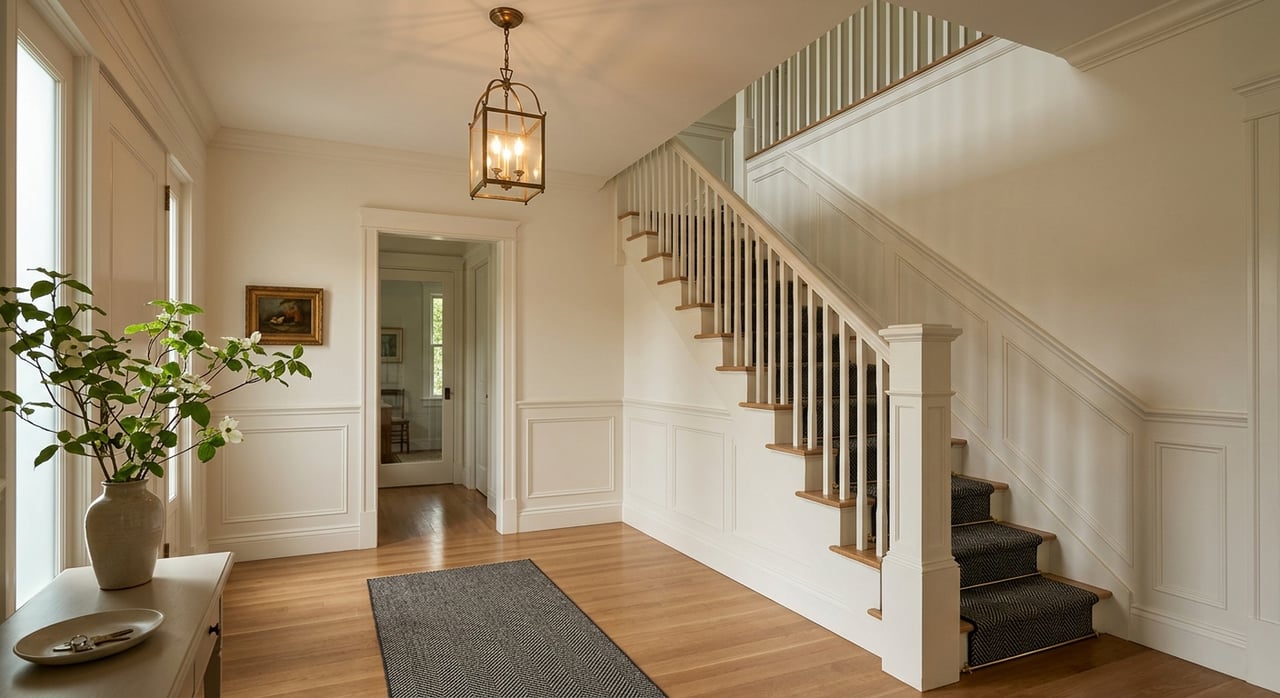
How to Sell a Classic Longmeadow Home With Strong Pricing
July 16, 2026
July 16, 2026
Wondering whether your classic Longmeadow home should hit the market now or wait for the “right” moment? If you own an older Colonial, Tudor, Craftsman, or another period-style home, timing and pricing can feel especially high stakes because buyers are weighing character, condition, and cost all at once. The good news is that Longmeadow remains a fast-moving market, and with the right preparation, you can position your home to stand out early and sell well. Let’s dive in.
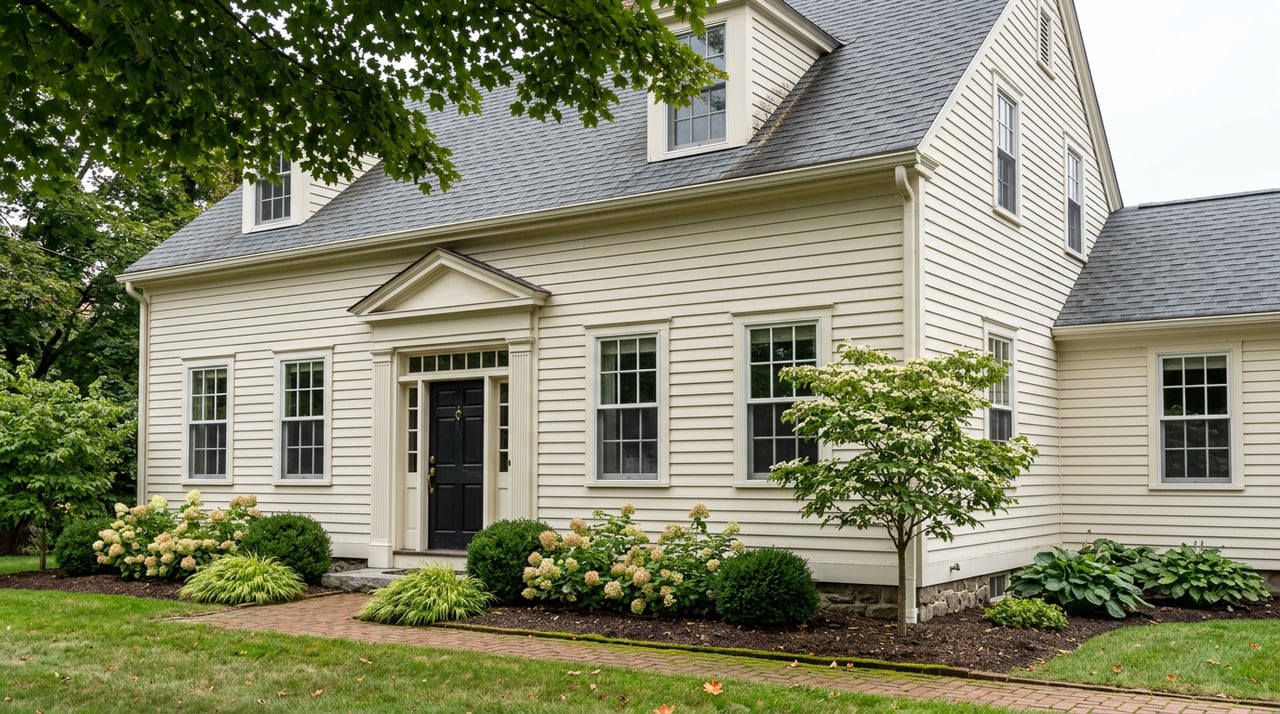
Longmeadow is not just a town with older homes. It has a deeply historic housing base, with Longmeadow Street dating back to the seventeenth century, a Historic District established in 1973, and a documented inventory of historic homes built before 1901. The town’s architectural mix includes Georgian, Tudor, Dutch Colonial, Craftsman, Colonial Revival, Bungalow, and Queen Anne-era homes.
That matters when you price a home. In Longmeadow, buyers often look beyond square footage and bedroom count. They are also evaluating original details, overall upkeep, preservation, and whether updates feel appropriate to the home’s style.
The market is still competitive, even if different data sources report timing a little differently. Realtor.com’s June 2026 snapshot shows 59 homes for sale, a median listing price of $549,500, a median sold price of $540,000, 18 median days on market, and a 102% sale-to-list ratio. Redfin’s May 2026 data shows a median sale price of $517,940, 21 median days on market, and 43 homes sold, while Zillow’s June 30, 2026 update says homes go pending in about 8 days.
The exact timeline varies by source, but the larger message is consistent. Longmeadow is moving quickly, and buyers are responding fast when a home is presented well and priced right from the start.
Spring continues to be the strongest season for sellers. National 2026 research points to mid-April as the strongest listing window, and late spring is also typically favorable. Zillow also notes that many sellers begin thinking about listing three to four months before they actually go live.
That timeline matters even more for a classic home. If your property needs paint touch-ups, landscaping, decluttering, staging, or professional photography, you want that work done before buyer activity peaks. In Longmeadow, the best launch is usually not the earliest possible one. It is the one that is fully prepared.
If your goal is a spring listing, preparation should begin in winter. That gives you time to sort through years of belongings, complete small repairs, and make smart decisions about what to refresh and what to leave alone.
For many long-time owners, this early planning window is where the real advantage begins. A rushed listing can miss the mark, while a well-prepared one often creates stronger first impressions and better leverage.
The first four weeks on the market are especially important. Realtor.com reports that this early period is often the make-or-break window, and homes that close about four weeks after listing tend to achieve the strongest sale-to-list outcomes.
That means your initial pricing, first photos, and first weekend of showings carry real weight. If buyers do not respond early, it can be harder to regain momentum later.
Pricing should begin with recent comparable sales, current market conditions, and your home’s unique features. That is especially important in Longmeadow, where two homes with similar size may perform very differently if one has preserved period detail and the other has inconsistent updates or deferred maintenance.
Townwide averages are helpful, but they are not enough on their own. The most useful comparisons are often homes with a similar age, style, lot setting, and level of renovation.
In a strong market, it can be tempting to aim high and “see what happens.” But current Longmeadow data suggests buyers are still selective about value. Realtor.com reports that listings were up 25% year over year, median listing price was down 8.03%, and days on market were up 5.88%, even though the median sold price remained above $500,000 and price per square foot was rising.
That combination tells you something important. Demand is there, but buyers are paying close attention to whether a home feels worth the asking price.
The goal is not to discount a classic home’s charm. It is to help the market recognize that value immediately while the listing is still fresh. Pricing too high can lead to price cuts and a stale listing, while pricing too low can trigger multiple offers.
For many Longmeadow sellers, the sweet spot is a price that reflects both the data and the home’s character. Buyers should be able to see the value quickly, without feeling like they are being asked to pay a premium that is not supported by recent sales.
Longmeadow’s FY2026 tax rate is $19.32 per $1,000 of assessed value. Based on the town’s current average home value of $550,860, that works out to about $10,643 per year in property taxes before exemptions.
That affects buyer affordability. Even in an attractive neighborhood setting, buyers are thinking about total monthly payment, not just purchase price. For sellers, that means your asking price should make sense within the full carrying cost of owning the home.
In Longmeadow, minor cosmetic updates tend to offer better value than major renovations. Local seller guidance points to improvements like paint, fixtures, and landscaping as the kind of work that can pay off, while large remodels often do not return their full cost.
That approach makes sense for classic homes. Buyers drawn to older architecture often appreciate authenticity, so the goal is usually to refresh the home without making it feel generic.
Before listing, prioritize updates that improve presentation without rewriting the house’s identity. Helpful areas to consider may include:
These kinds of changes can make a home feel cared for and market-ready. They also help buyers focus on the home’s strengths instead of noticing small distractions.
If you are considering significant exterior work before selling, Longmeadow’s preservation framework may matter. The Historic District Commission exists to preserve historic values, and the town’s demolition-delay bylaw can create a nine-month delay for a significant structure after a demolition significance determination.
This is not a routine issue for every seller, but it is worth checking before planning disruptive changes to a historically significant property. In many cases, thoughtful upkeep is the better strategy anyway.
Because Longmeadow remains competitive, some homes attract multiple offers. Redfin describes the market as very competitive, and Realtor.com characterizes Longmeadow as a seller’s market. That can create strong opportunities, but it does not mean every highest offer is automatically the best one.
You also want to look at financing strength, contingency terms, and closing timeline. A clean offer with solid financing and a workable schedule can be more attractive than a slightly higher number with more risk attached.
When offers come in, it helps to compare more than headline price. Important terms often include:
For a classic home, this matters even more because inspection discussions can become more nuanced. A strong negotiating strategy keeps the focus on both net outcome and certainty of closing.
If you want to sell a classic Longmeadow home well, the formula is fairly clear. Prepare earlier than you think you need to, launch when the home is ready, and price based on comparable sales and real buyer expectations.
In a town with genuine architectural history, buyers notice craftsmanship and character. But they also notice condition, taxes, and monthly affordability. When your pricing and presentation work together, you give your home the best chance to attract serious interest right away.
Selling a period home takes judgment, not guesswork. If you want a tailored pricing strategy, thoughtful staging guidance, and polished listing preparation for your Longmeadow home, Romina D'Angelo offers full-service support with boutique-level attention and proven local marketing expertise.
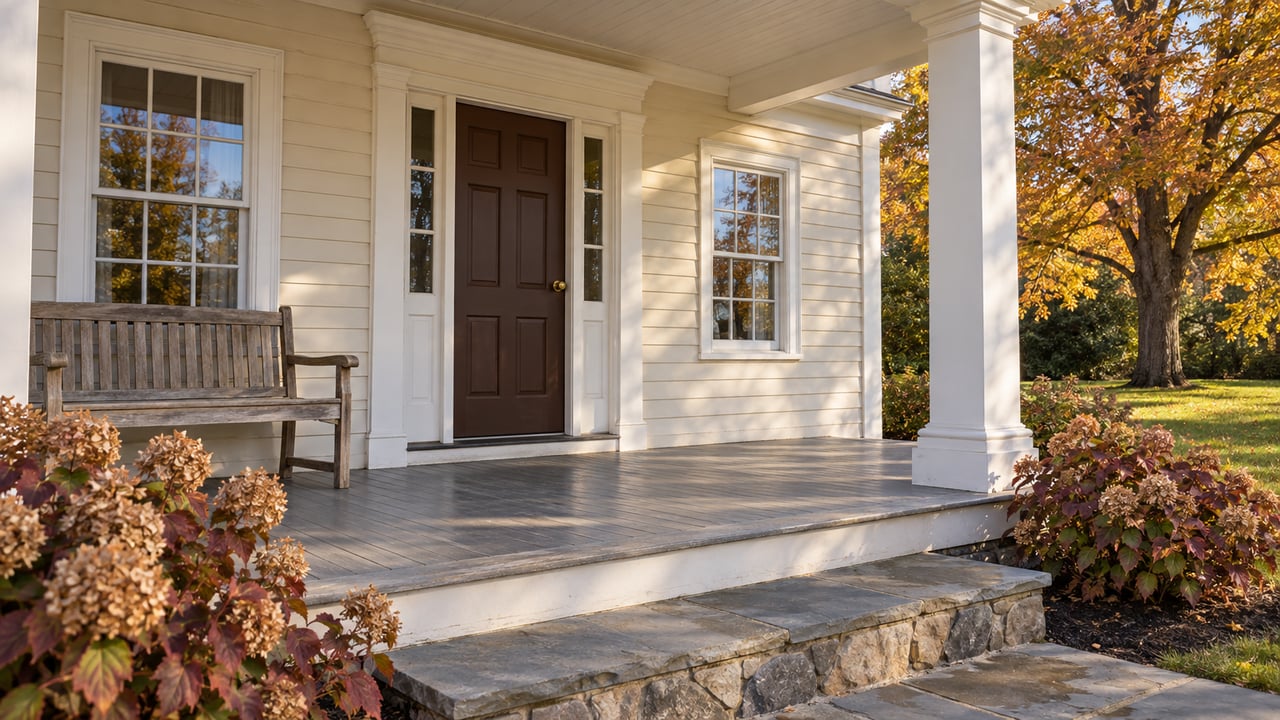
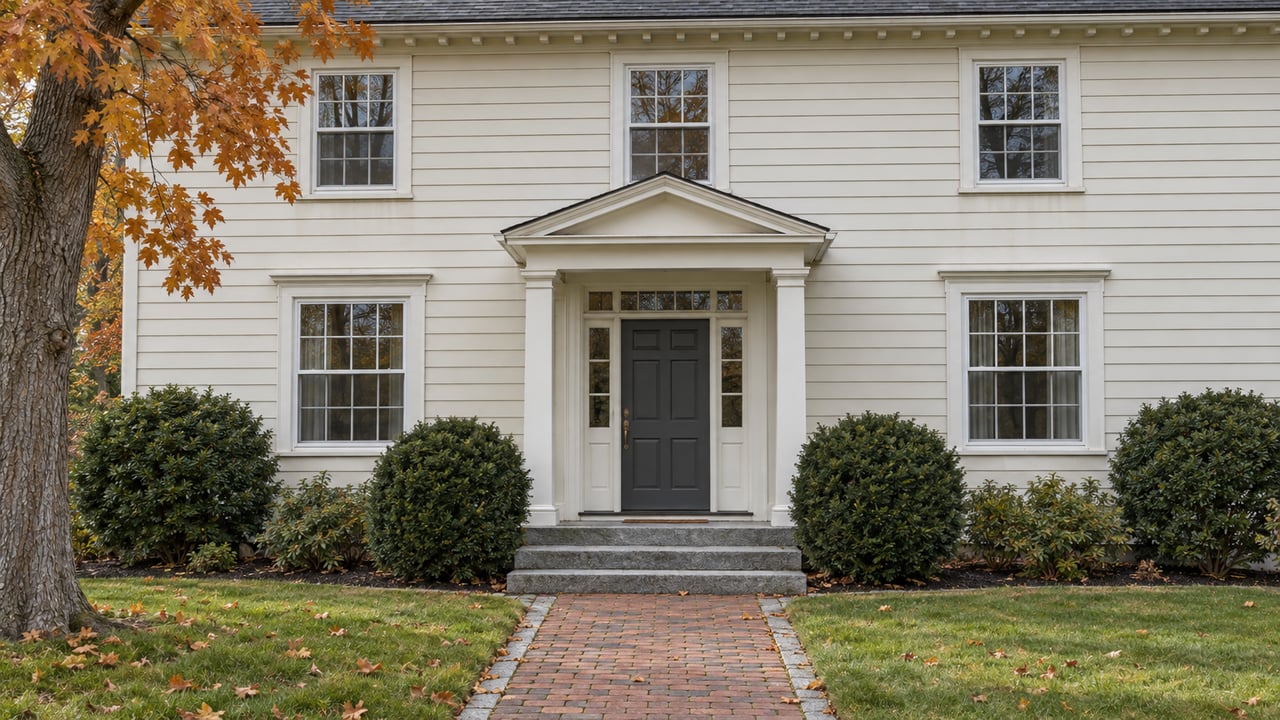
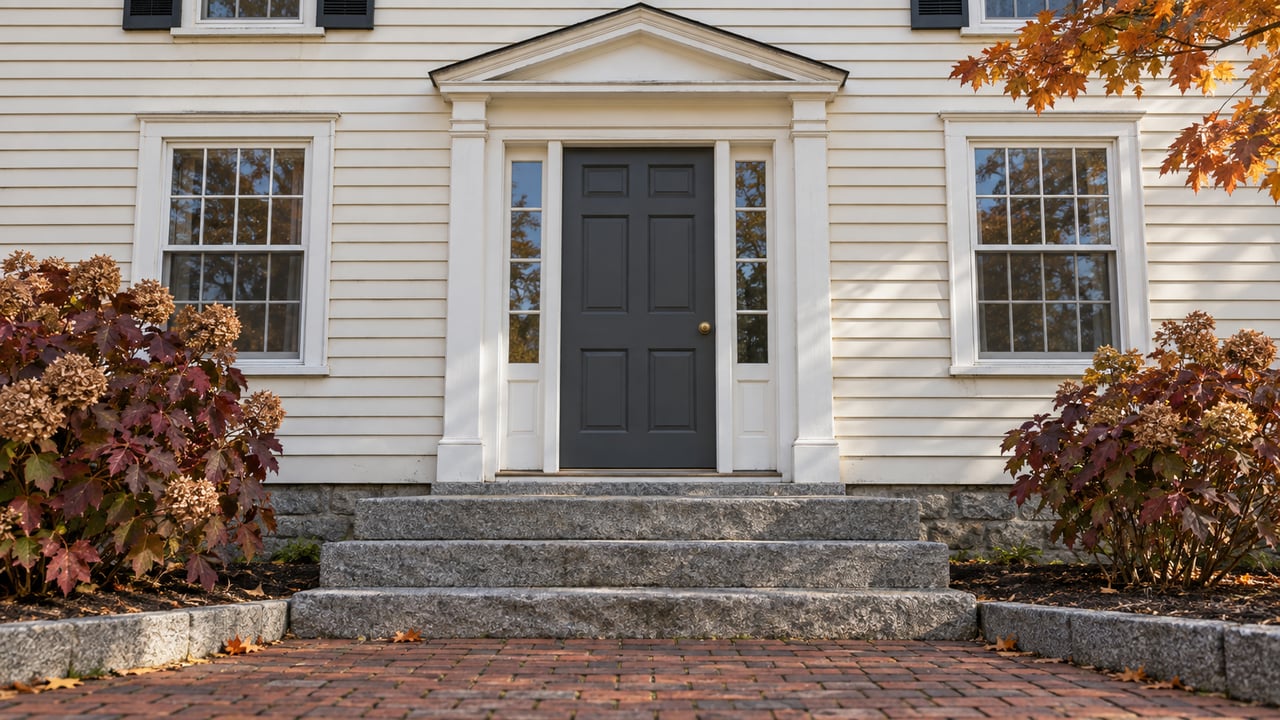

Romina has represented both sellers and buyers, her clients have come to depend on her considerable expertise and market knowledge.